Open your collection to everyone who wants to read it
Folium publishes digitised collections as working libraries: every page searchable, readable in translation, citable, and published on your own domain.
Books, pictures and a site in your name
Folium takes a digitised collection and publishes it as a working library: books people can read, pictures they can find, and a site that carries your name.
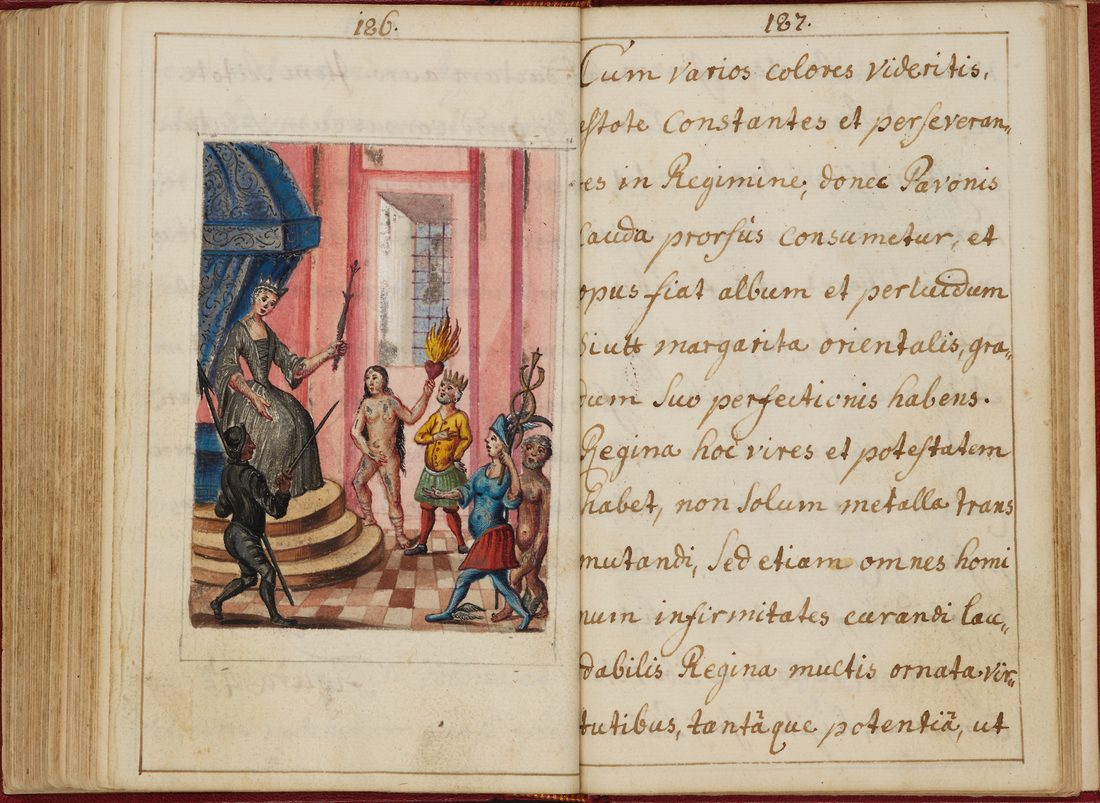
donec Pavonis cauda prorsus consumetur
until the peacock’s tail is utterly consumed
Every book, open to read
Printed books, manuscripts and letters become pages anyone can read in a browser, in their own language, with every name, place and date made findable.
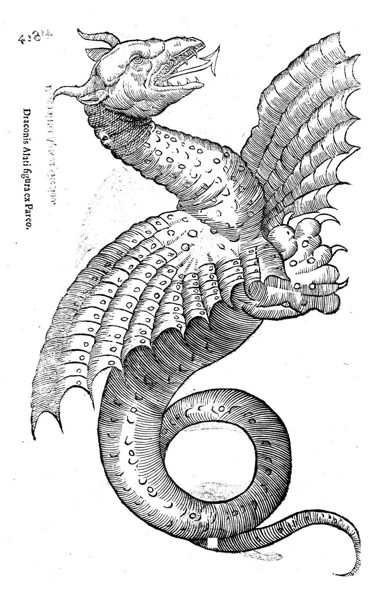 Dragon
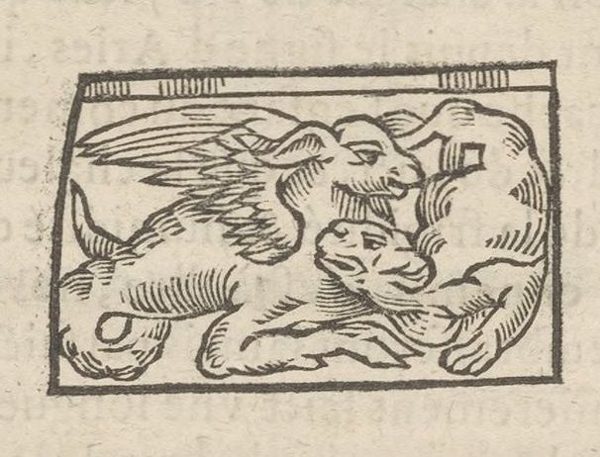
Pictures you can search
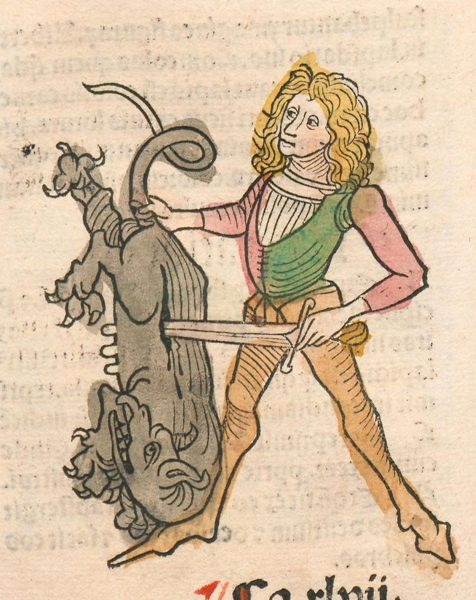
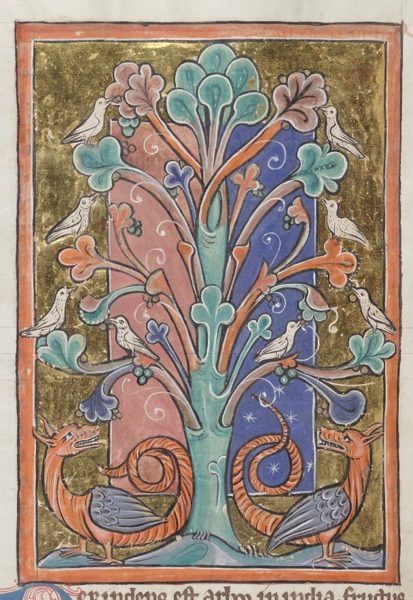
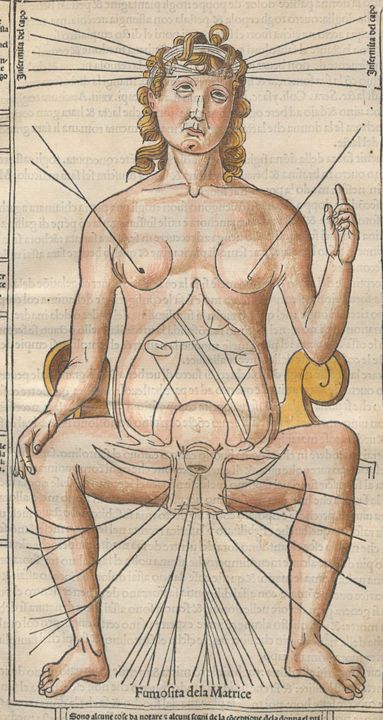
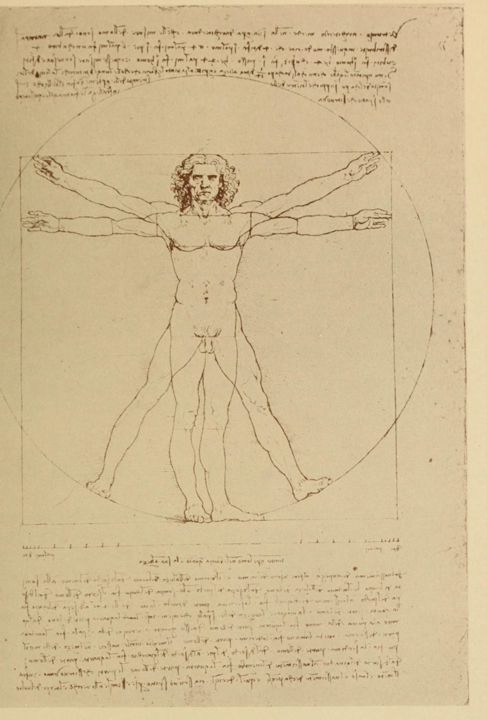
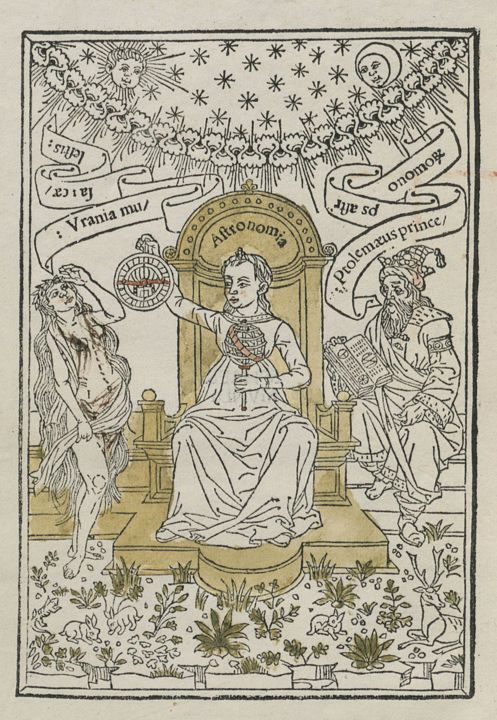
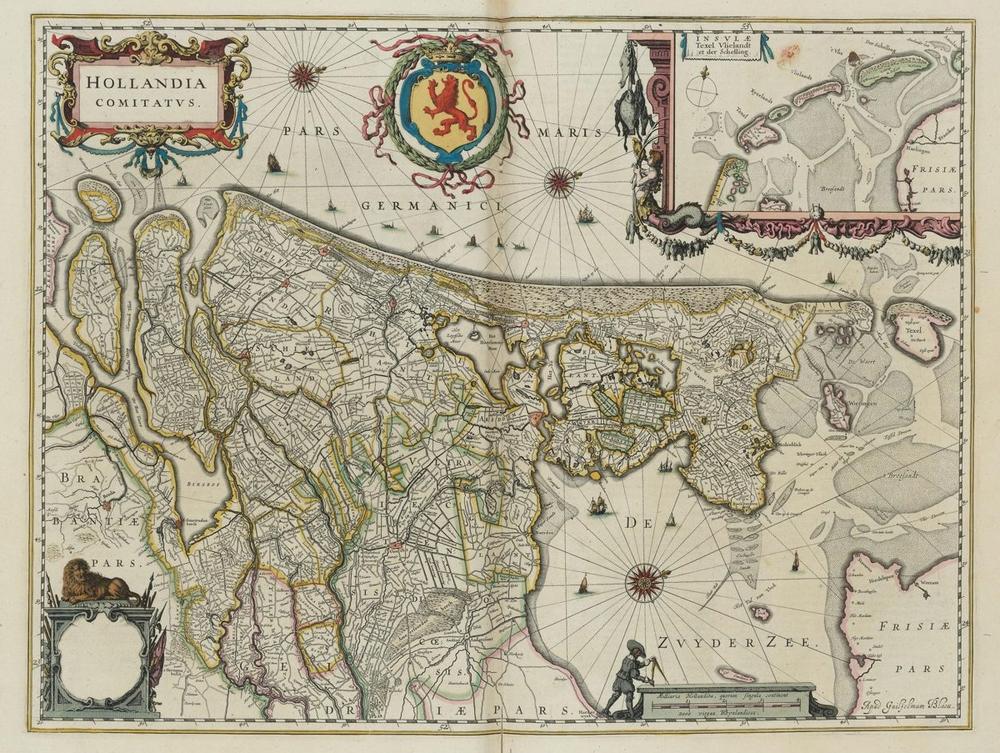
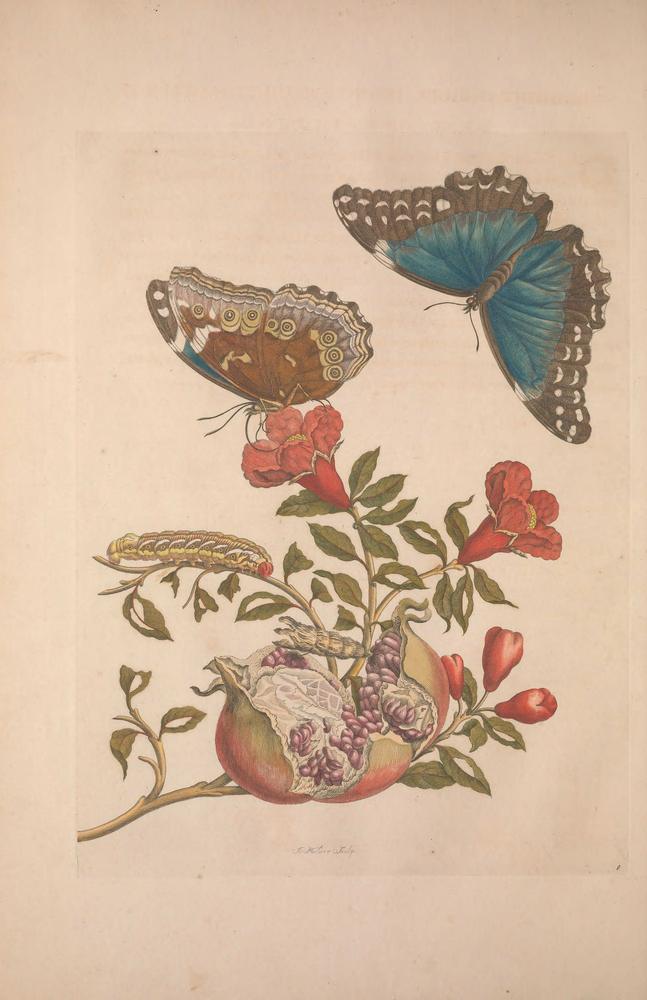
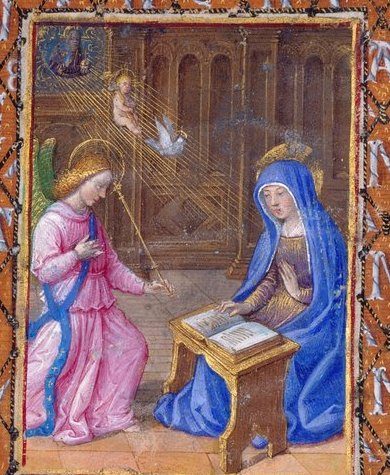
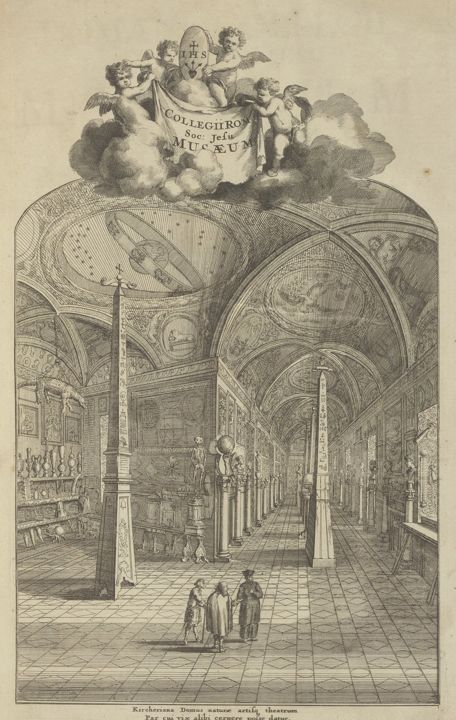
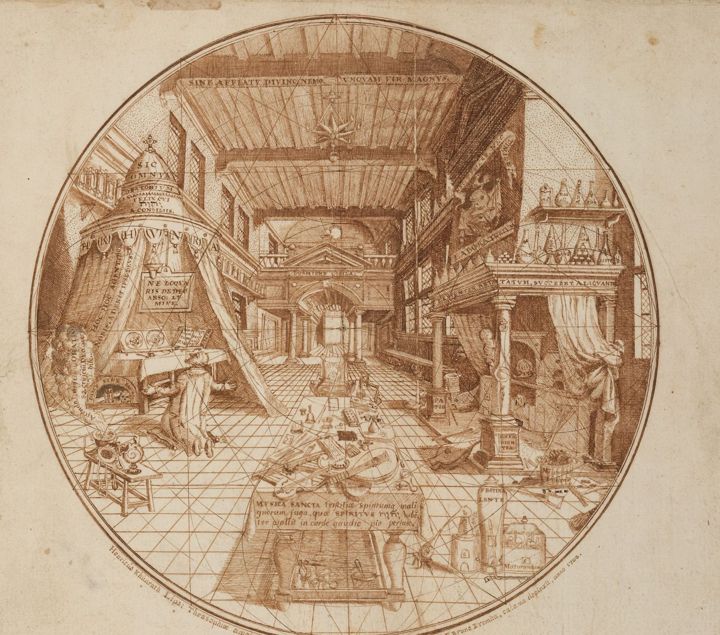
Engravings, woodcuts and painted figures are found on the page and kept as images of their own, searchable by what they show and served at full resolution.
Published under your name
On your own domain or inside the website you already have, in your typefaces, colours and languages. Your readers never leave your institution.
Any kind of library, for any audience
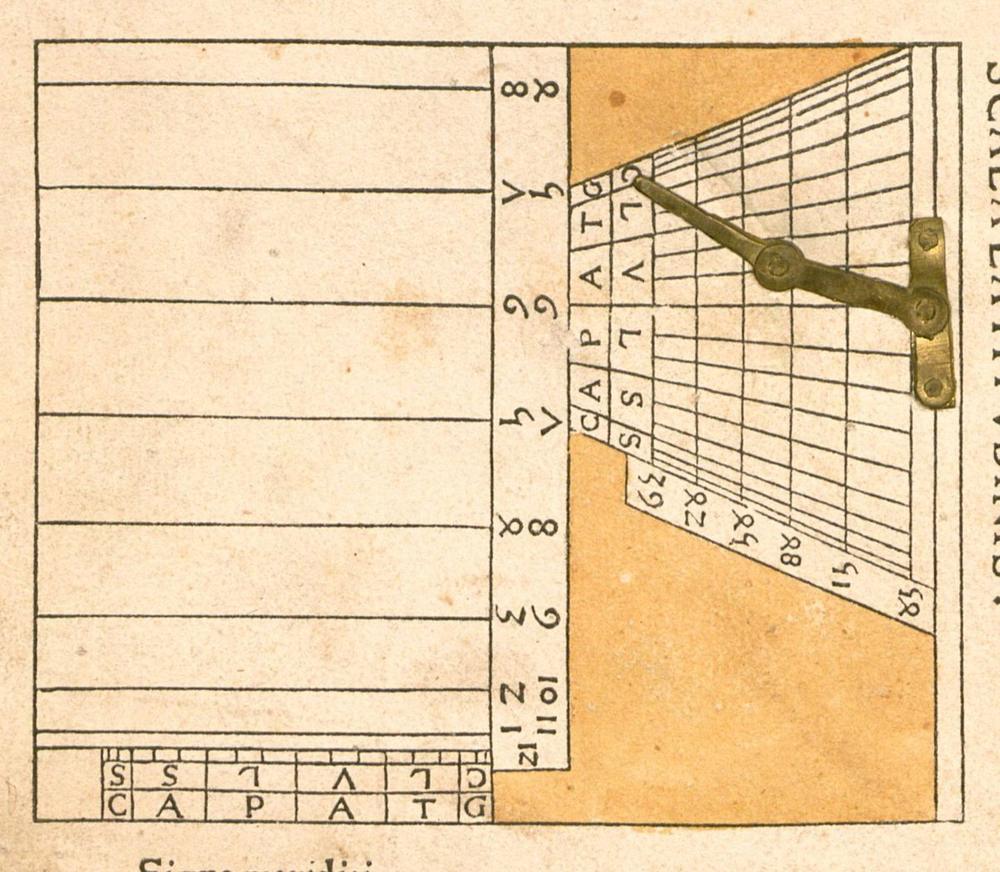
We design and build whatever your collection and your readers need, from a rare-book catalogue to a lesson for eleven-year-olds, a screen in the gallery or a library you can ask questions. Eight examples, all running on the same platform.
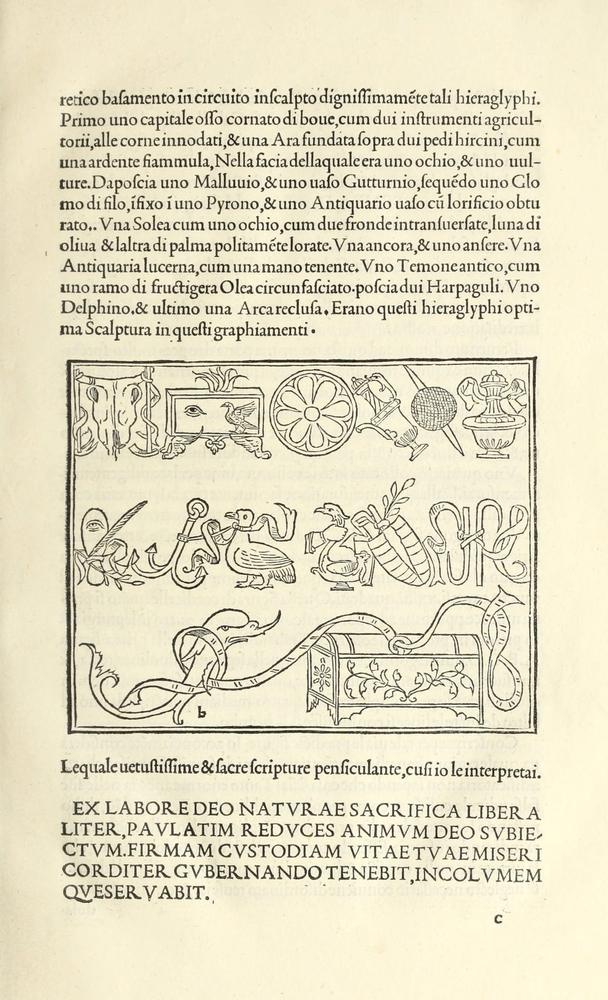
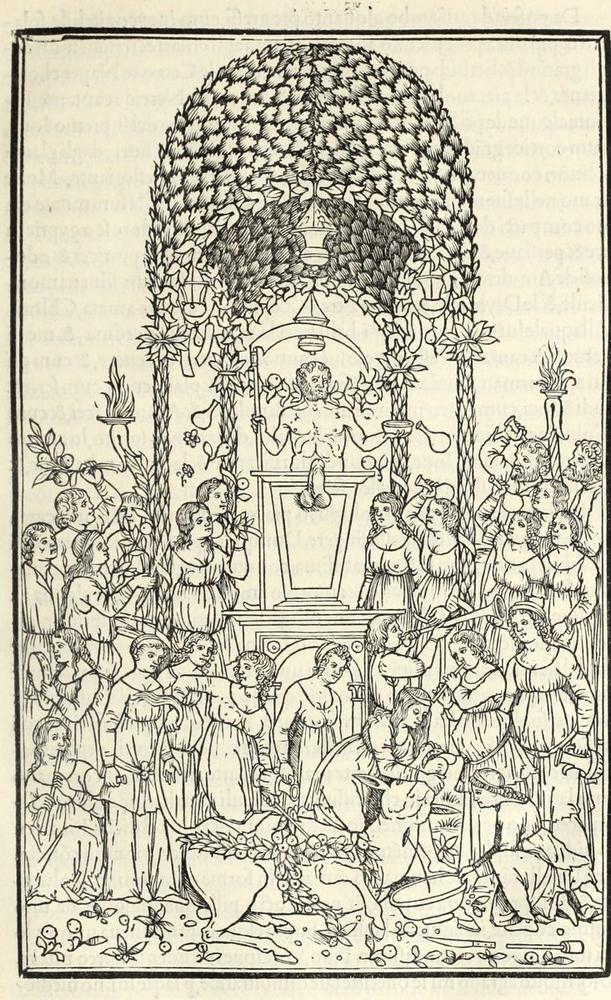
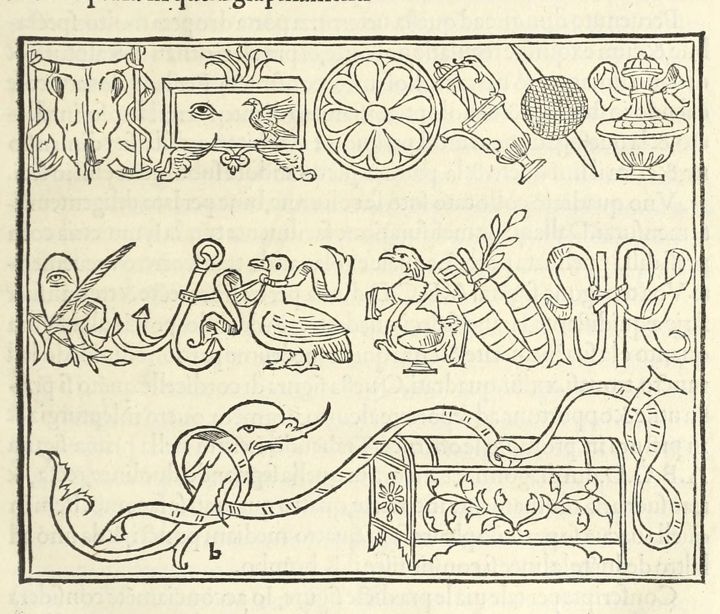
 11474
 41680
 51702
Two collections you can open now
One is a public library of its own. The other is a museum catalogue published inside the museum’s existing website, in its own design and language.
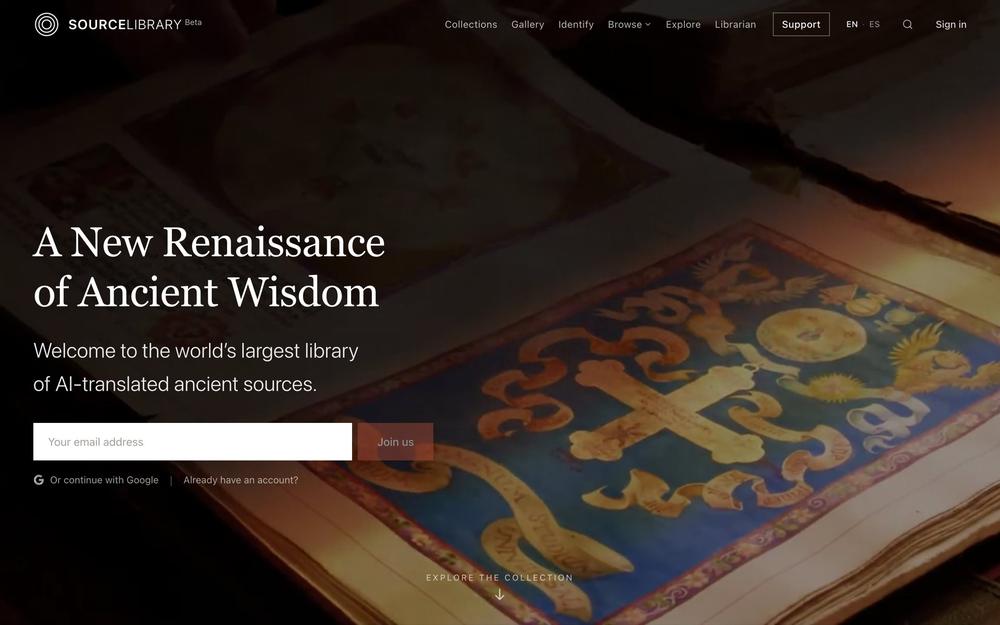
Twenty-two thousand books, open to read
Ancient and early modern texts in Latin, Greek, Tibetan, Ge’ez, Chinese and Yucatec Maya, open to anyone with a browser.
Read the case study →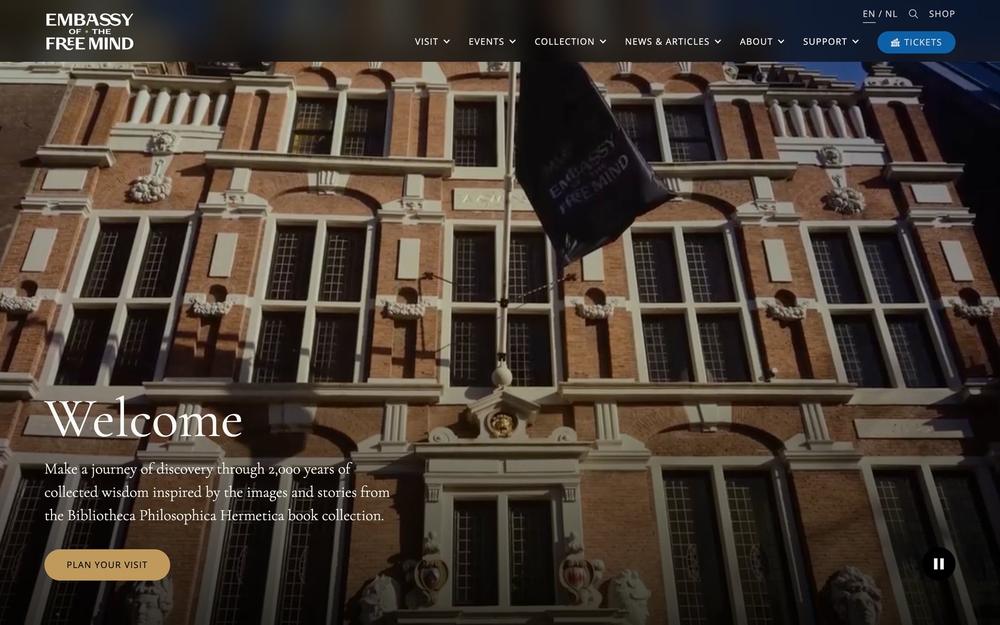
A museum catalogue, published in the museum’s own site
The Bibliotheca Philosophica Hermetica in Amsterdam kept its website and its bilingual pages, and gained a catalogue its visitors can search, filter, export and read.
Read the case study →Open standards, so your records travel
Everything Folium publishes speaks the standards libraries and museums already use, so the collection works with the systems you have and can leave in open formats whenever you choose.
Where libraries are heading
Three developments are changing what a collection can be, and they arrive at the same time.
Expertise at collection scale
Machines now draft the first pass for a whole collection at once. The scholars and curators who know the material check and correct it, so their knowledge reaches every volume instead of a few.
Collections that connect
Shared standards let an engraving in your holdings sit beside a related drawing in another country’s, and let both be studied together by someone who visits neither.
New audiences
Teaching, public programmes and independent research all reach further when the material behind them is searchable and readable.