FOLIUM
Folium / Working with us

From a folder of scans to a library people use

You bring the collection and the knowledge of it. We do the reading, the translating, the tagging and the building, and your staff decide what goes out under your name.

Start small

Send us twenty books

Every project begins with a slice of your own collection, ideally including the awkward ones: the damaged pages, the unusual hands, the languages nobody on staff reads. We publish that slice properly, and you decide what comes next with your own books in front of you.

  1. You send a sampleTwenty to fifty items and whatever export you have.
  2. We publish it properlyThe same treatment the whole collection would get.
  3. You see it liveOn a staging page, ready to show colleagues and a board.
  4. You plan the restAround your calendar, your staff time and your funding.
Where it lives

Three ways to publish, one collection underneath

The catalogue, reader and search are the same in every route. What changes is how much of your website is involved, and you can move from one to the next as the collection grows.

yourmuseum.org/collection
Your MuseumVisit · Exhibitions · Collection · Shop
Folium
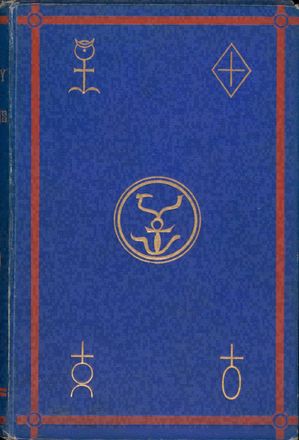
alchemy
Rosa mystica1885
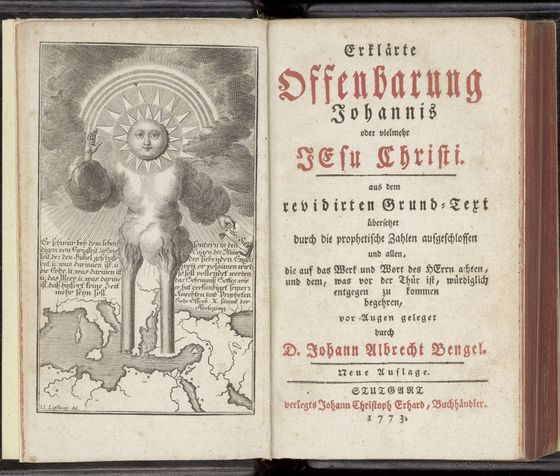
Gott ist die reinste Liebe1826

Inside your website

Search, the catalogue and the reader appear in the pages you already publish. Your web team adds a tag; your site stays in charge of everything around it.

How a museum does it
collection.yourlibrary.org
The CollectionBrowse · Plates · Ask

As its own site

A home for the collection at an address of yours, in your identity, with its catalogue, reader, plates and librarian. Your main website links across.

A library of its own
yourfoundation.org
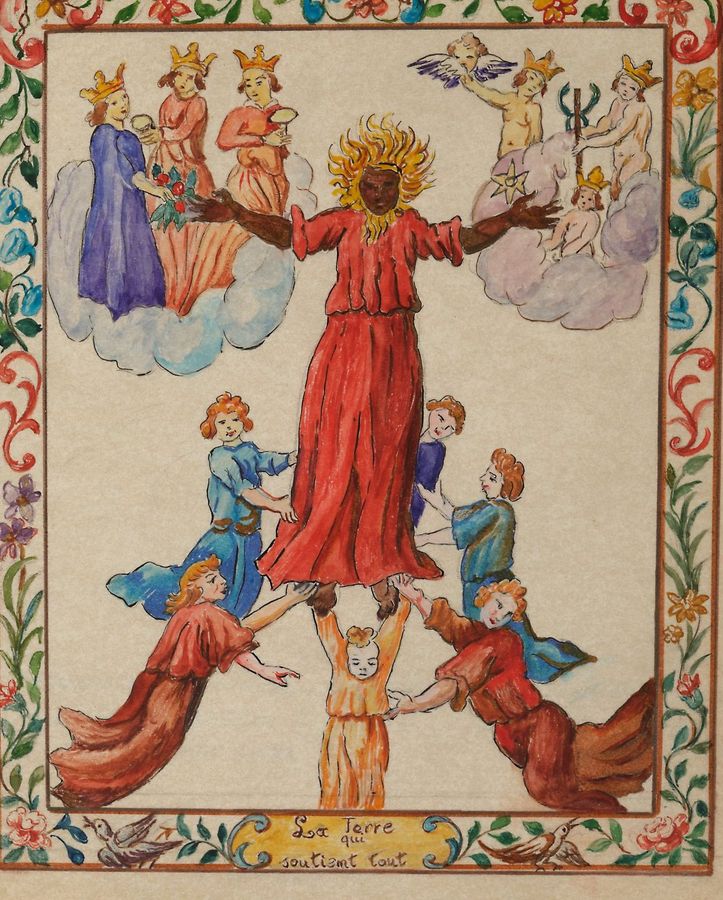
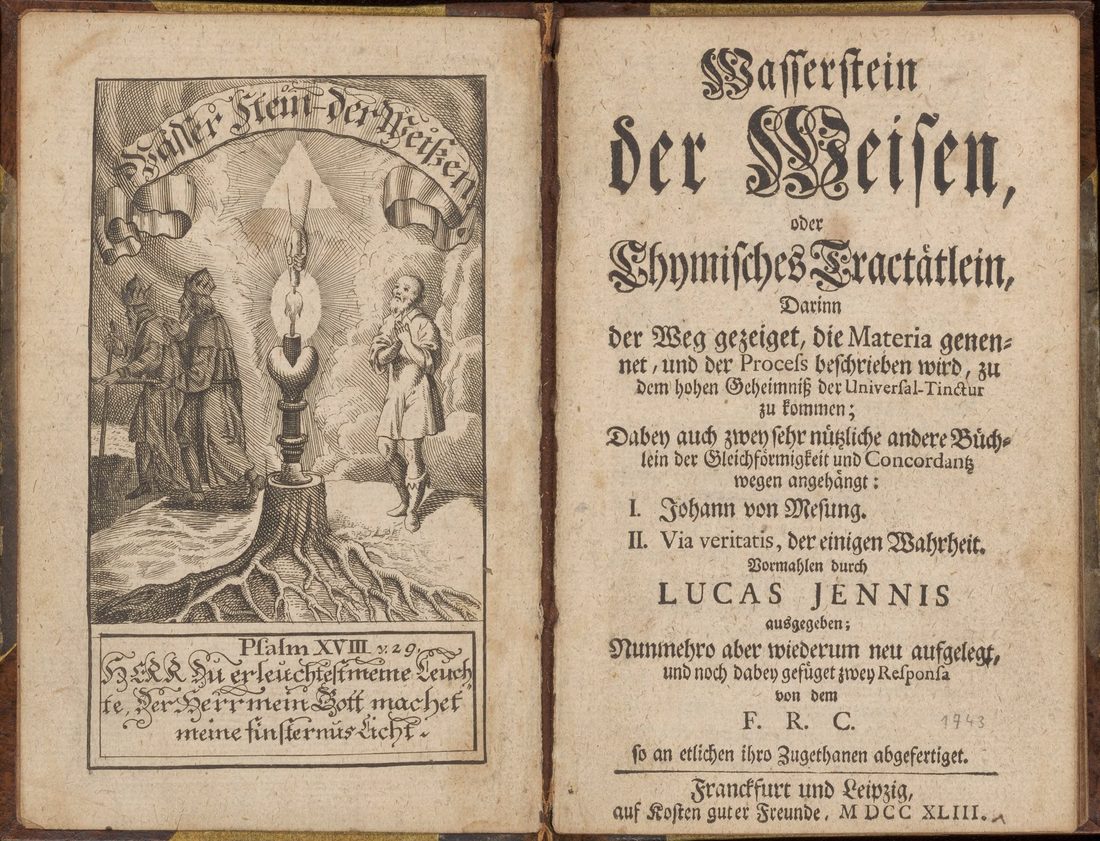
From the collectionLivre des figures hiéroglyphiquesRead it in the original, or in English

Designed around it

When the collection is the public face of the institution, we design the whole site around your material: the front door, the reading and the exhibitions.

Who decides

Machines draft, your staff decide

Transcription, translation and tagging are drafted by machine and checked by the people who know the material. Nothing is published until your staff have seen it, and every change is kept.

We take care of

  • Ordering the files and finding what is missing
  • Reading, translating and tagging every page
  • The reader, search, images and hosting
  • Training your team, and staying reachable

Your staff decide

  • What is published, and what is restricted
  • Whether a reading or a tag is right
  • The words that frame the collection
  • When it goes live
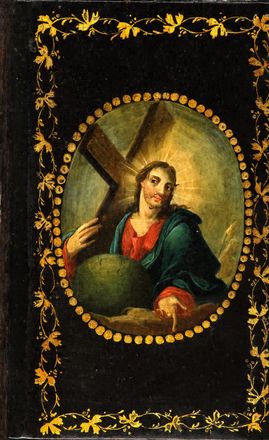
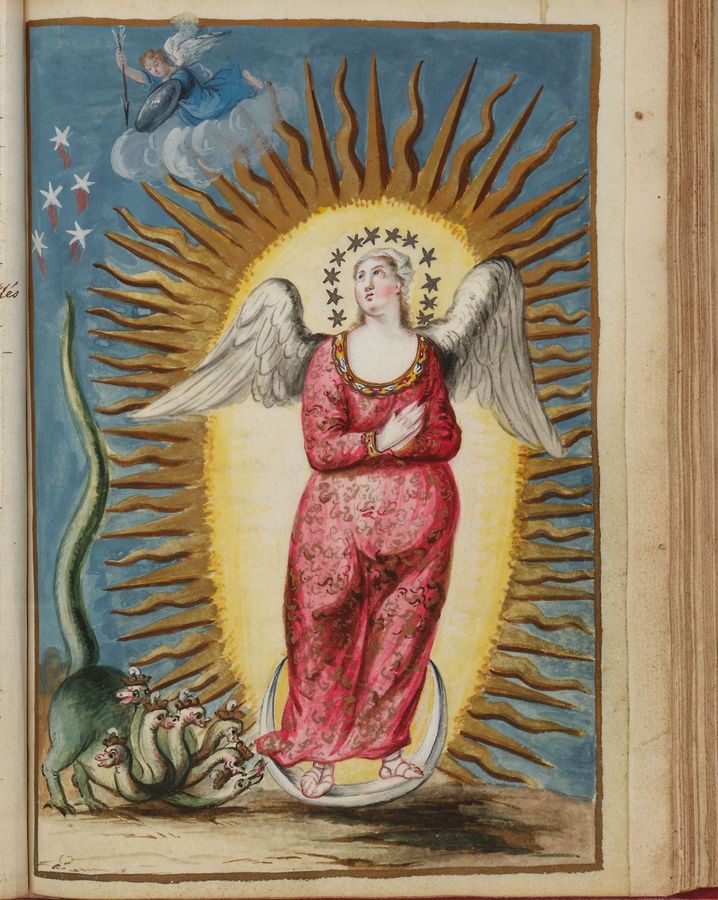
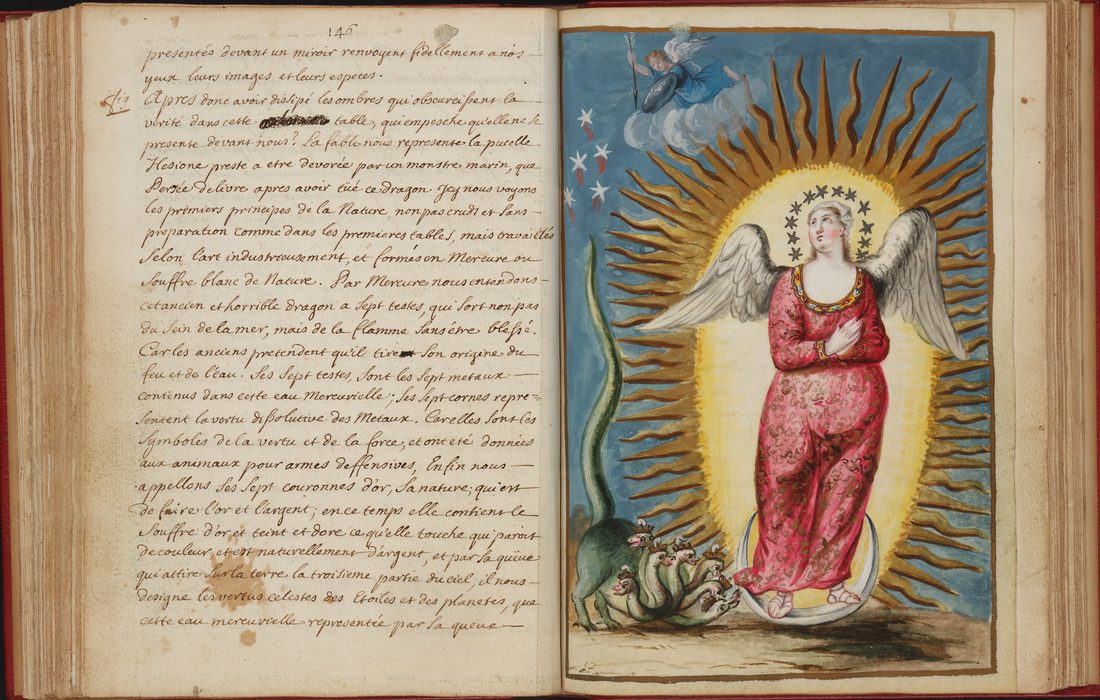
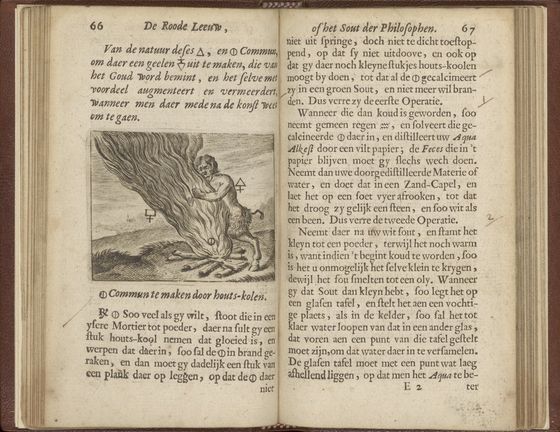
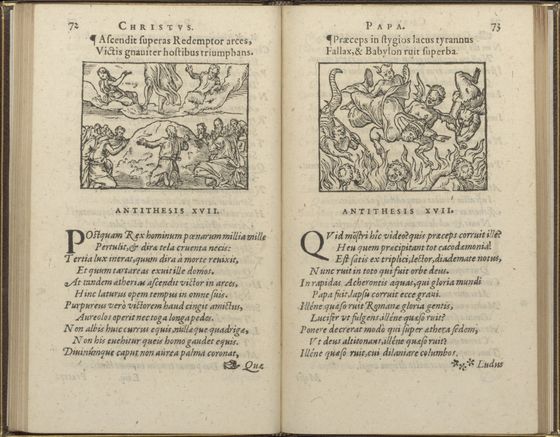
An opening of Nicolas Flamel’s Livre des figures hiéroglyphiques, a hand-coloured manuscript
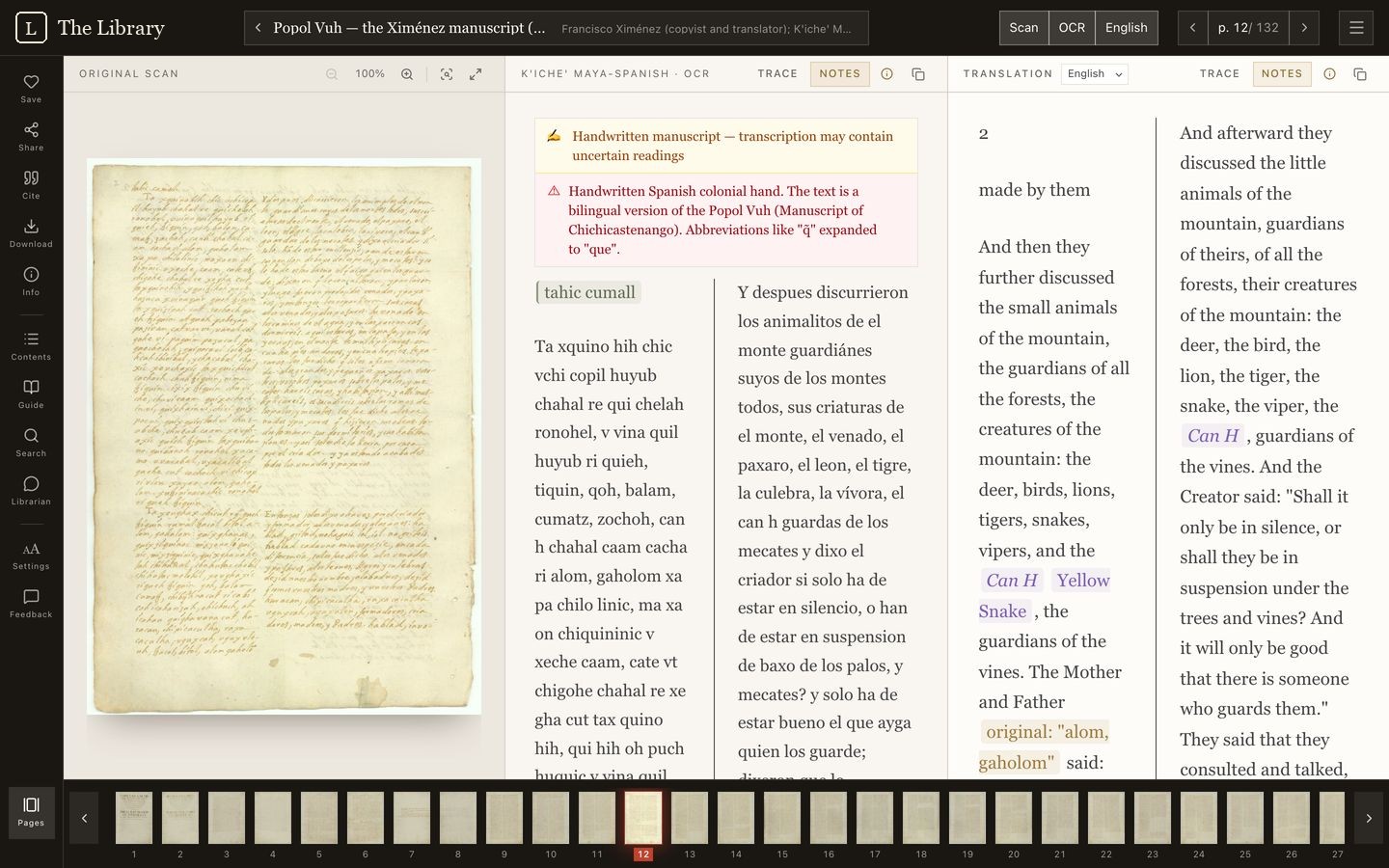
  1. Drafted

    Fable represents to us the maiden Hesione ready to be devoured by a sea monster, whom Hercée delivers after having killed this dragon.

    Machine draft · one name uncertain
  2. Checked

    …whom Hercée delivers… original: “Hercée”, likely referring to Perseus or a variation of Hercules

    Note added by a reader of the text
  3. Published

    The line goes out with its note, and the earlier version stays in the history.

    Revision 2 · approved
What we need from you

Three things, in whatever state they are in

The image files

TIFFs, JPEGs, PDFs, mixed resolutions, folders that grew over the years. Putting them in order is part of our work.

ShelfmarkTitleYear
PH 400Livre des figures…18th c.
PH 205Elementa Chemiae1720
BPH 131Book of Hoursc. 1490
PH 237Gott ist die reinste…1826

A catalogue export

MARC, Dublin Core, a spreadsheet, or whatever your system produces. Your records stay recognisable to the people who wrote them.

?Which copy should be the one readers see first?

One person to ask

A colleague who knows the collection and can answer questions about naming, languages and priorities, usually for a few hours a week.

It stays yours

Take it with you, whenever you like

Scans, records, transcriptions, translations and tags belong to your institution. Everything is published in open standards and can be exported at any point, so the collection outlives any supplier, including us.

Where we come from

We built a library before we built a product

Folium grew out of a public library of ancient and early modern texts that we still run. Publishing twenty thousand books meant building every stage ourselves: bringing in files from archives that each name things differently, reading early type and unfamiliar hands, translating with the original always in view, and making a phrase findable across the lot.

Institutions then asked for the same for their own holdings. A museum in Amsterdam wanted its catalogue searchable and translated inside its own website. That became the work we do now.

See the process on your own collection.

Send a slice of the material and whatever export you have. We publish it and talk through what the full collection would involve.