Every book in your collection, open to read
The scans you already have, or scans we make. Each one becomes a page a reader can open in the browser, from any library, on any device.
Read line by line
Transcription tuned for early type, anchored to the scan. Every line can be checked against the page and corrected in place.
In your reader’s language
Latin, Greek, Arabic or Dutch, translated alongside the original and anchored to the same lines, with romanisation for every script.
Names, places, dates and a summary
Drawn from the text and approved by your staff. Every mention becomes a way in: a person, a place, a year, a subject.
Every illustration, found and kept
Engravings, diagrams and frontispieces are detected on the page and catalogued as images of their own, at full resolution.
One record, everything attached
Dublin Core and a DOI for every book, harvestable over OAI-PMH. The whole collection, connected and open.
The whole collection, connected
Every book links to the people, places and subjects it shares with the others. One record each, all of them open.
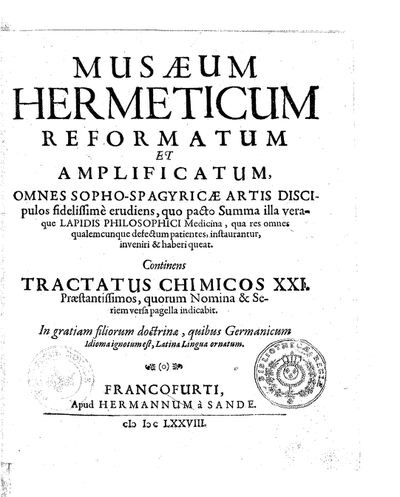
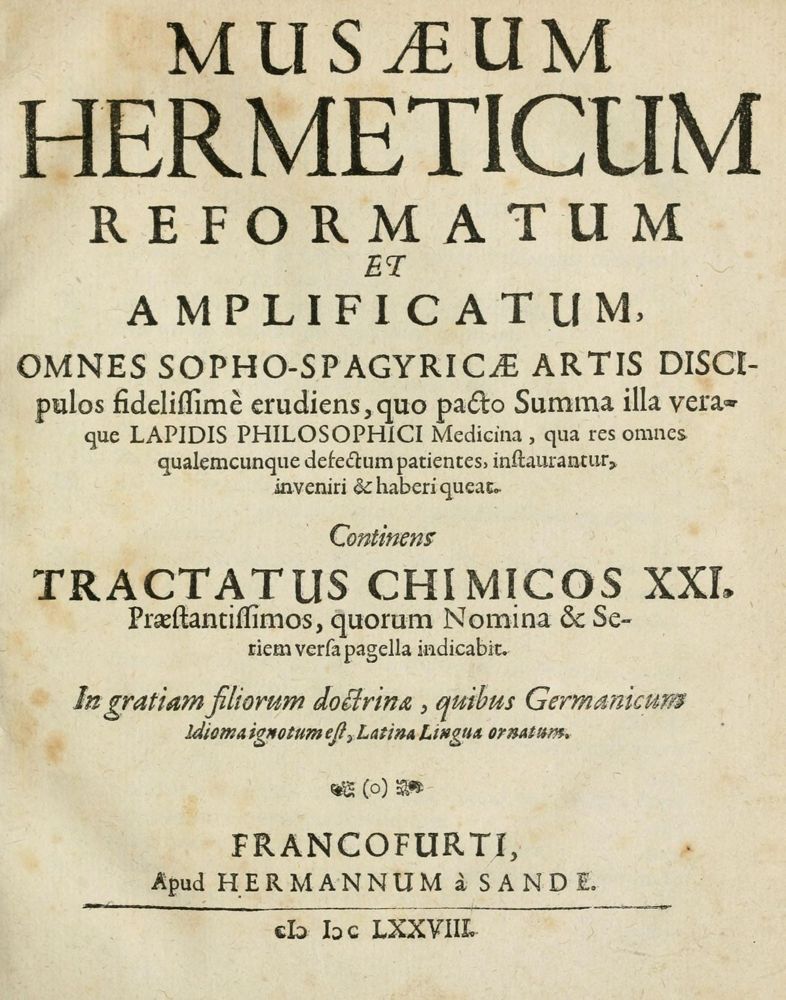
An anthology of twenty-one alchemical treatises, printed at Frankfurt in 1678 as an enlarged edition of the 1625 original, with emblematic engravings throughout.
Generated from the text, approved by staff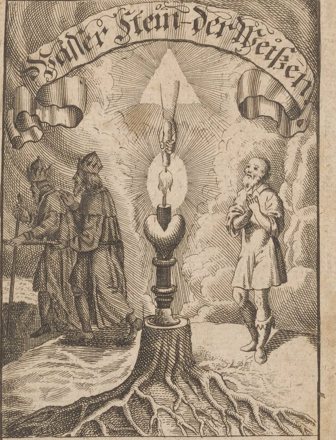
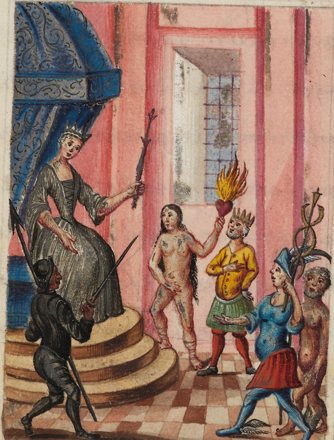
What counts as a book
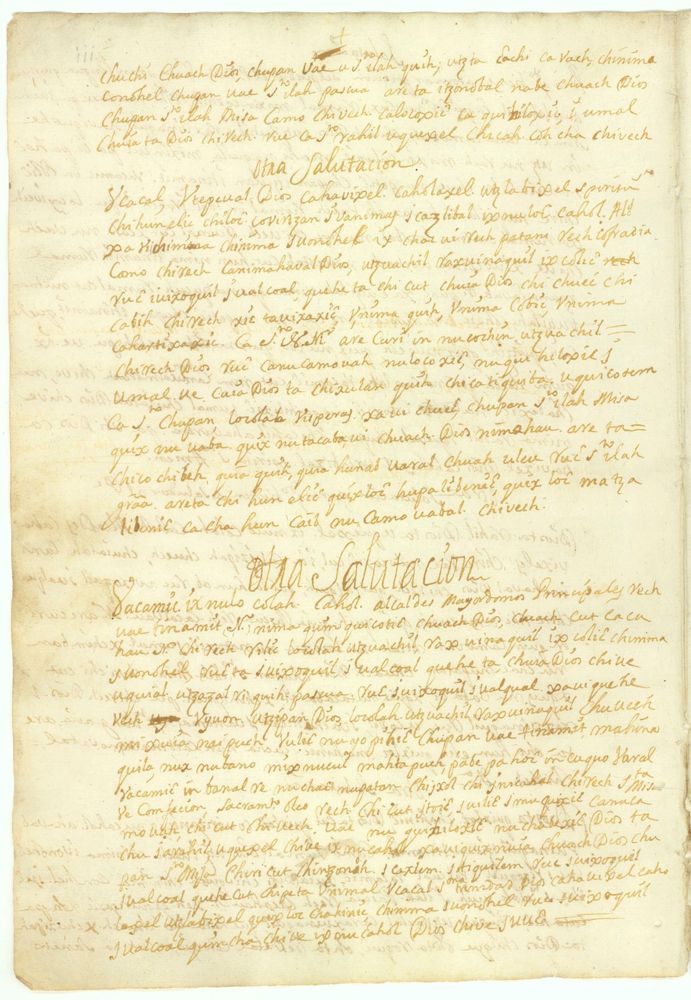
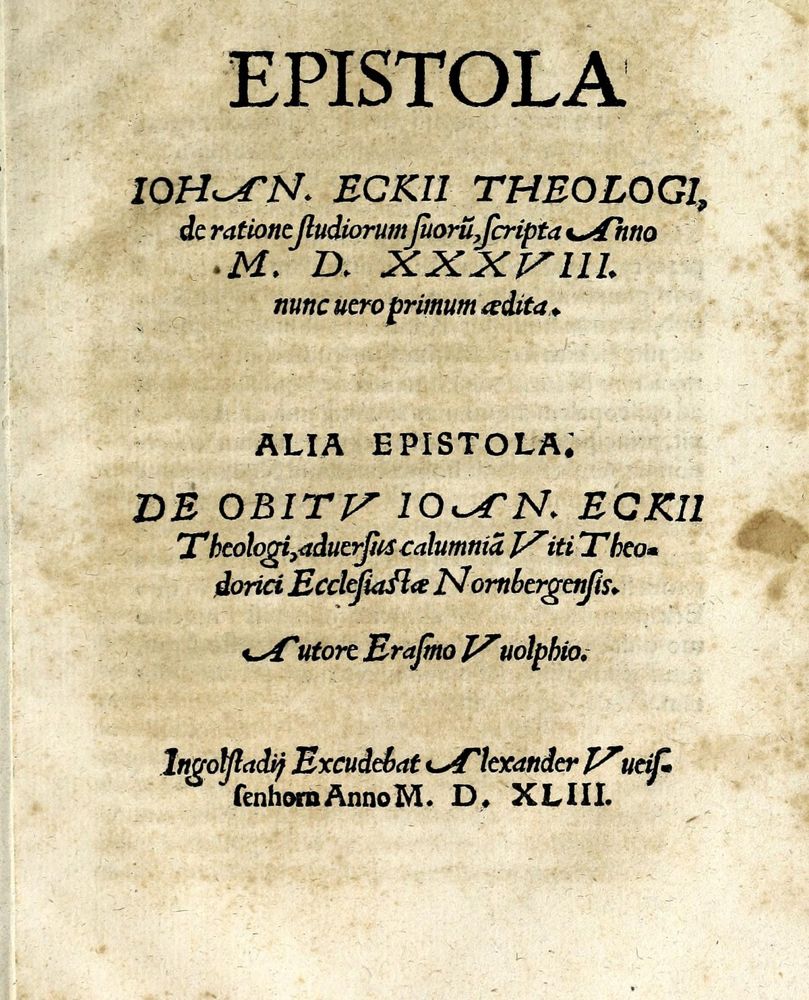
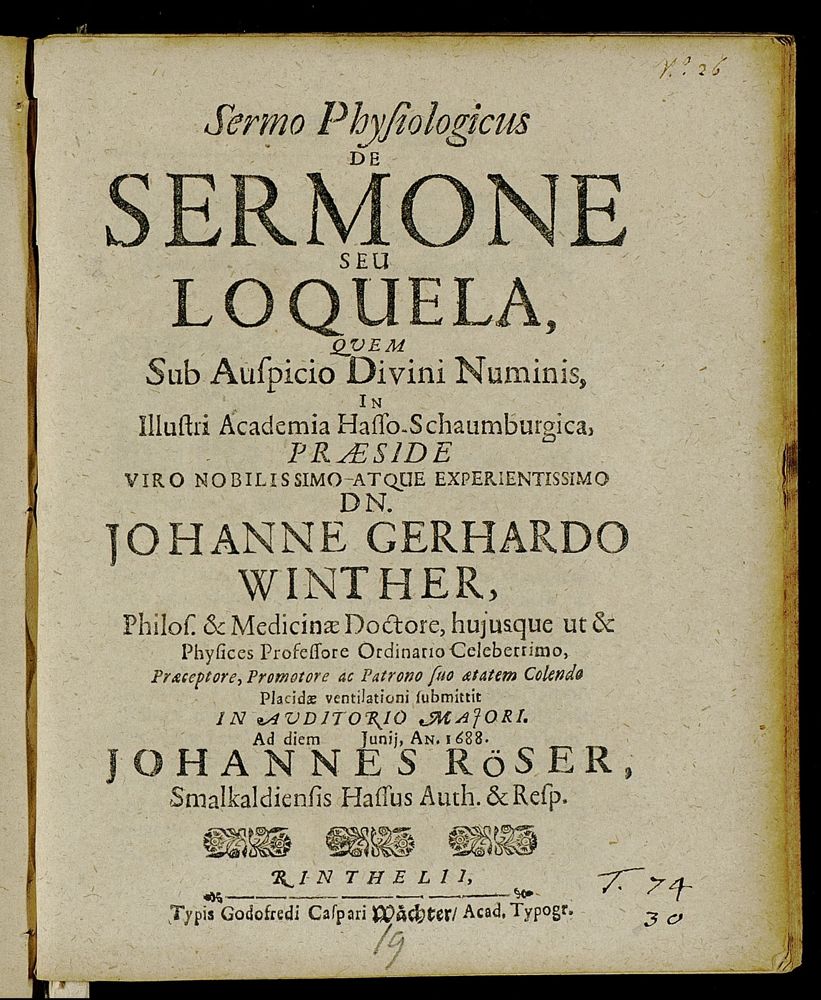
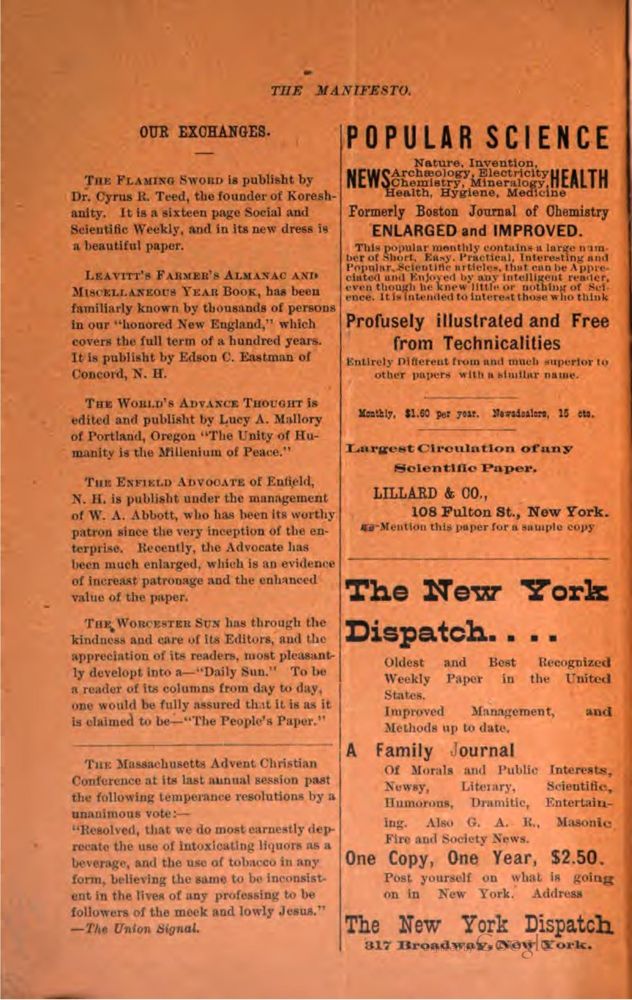
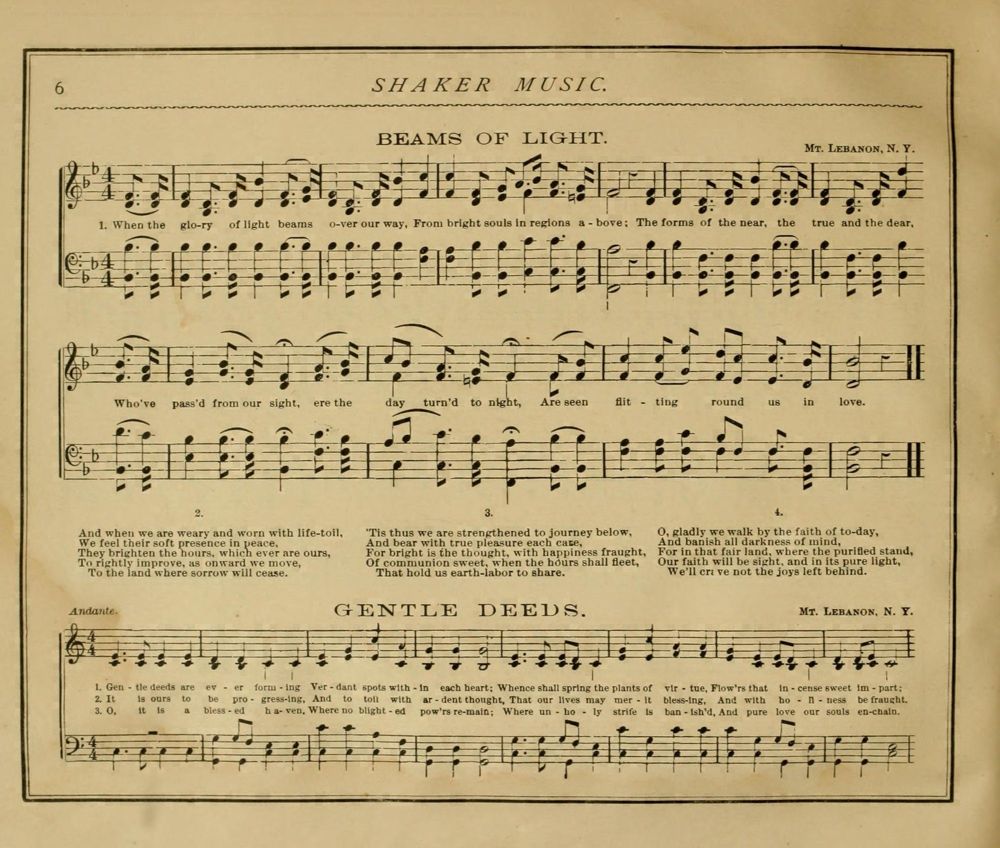
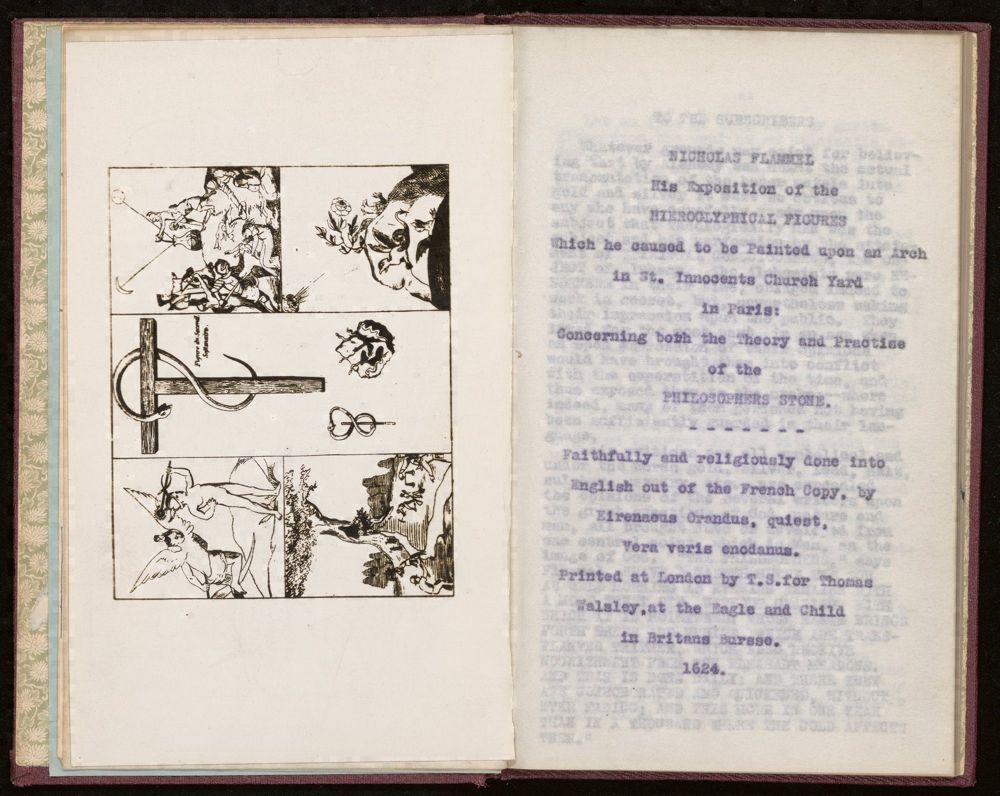
Anything bound, folded or stitched with writing on it. Every specimen below is a page from a collection we publish, shown whole and at its own proportions.
One page, followed through
The title page of the 1678 Hermetic Museum, as the pipeline leaves it: transcribed line by line, translated in place, romanised where the script needs it, and turned into a record. The film above shows the passes; this is the result on a real page.
Transcription anchored to the scan, translation in place
Boxes are the OCR anchors on the title page. The lines toggle between Latin and English. Correct a line and the anchor holds.
Romanisation for every script
Greek, Hebrew, Arabic, and the rest: original script, scholarly transliteration, or translation, switched at will.
Enrichment fills the catalogue
Entities become fields, fields become records your systems can harvest over OAI-PMH.
Every plate, found and kept
Woodcuts, engravings, diagrams and maps are found on the page, cut out at full resolution and described, so a reader can search a collection by what its pictures show. Every one stays tied to the page it came from.
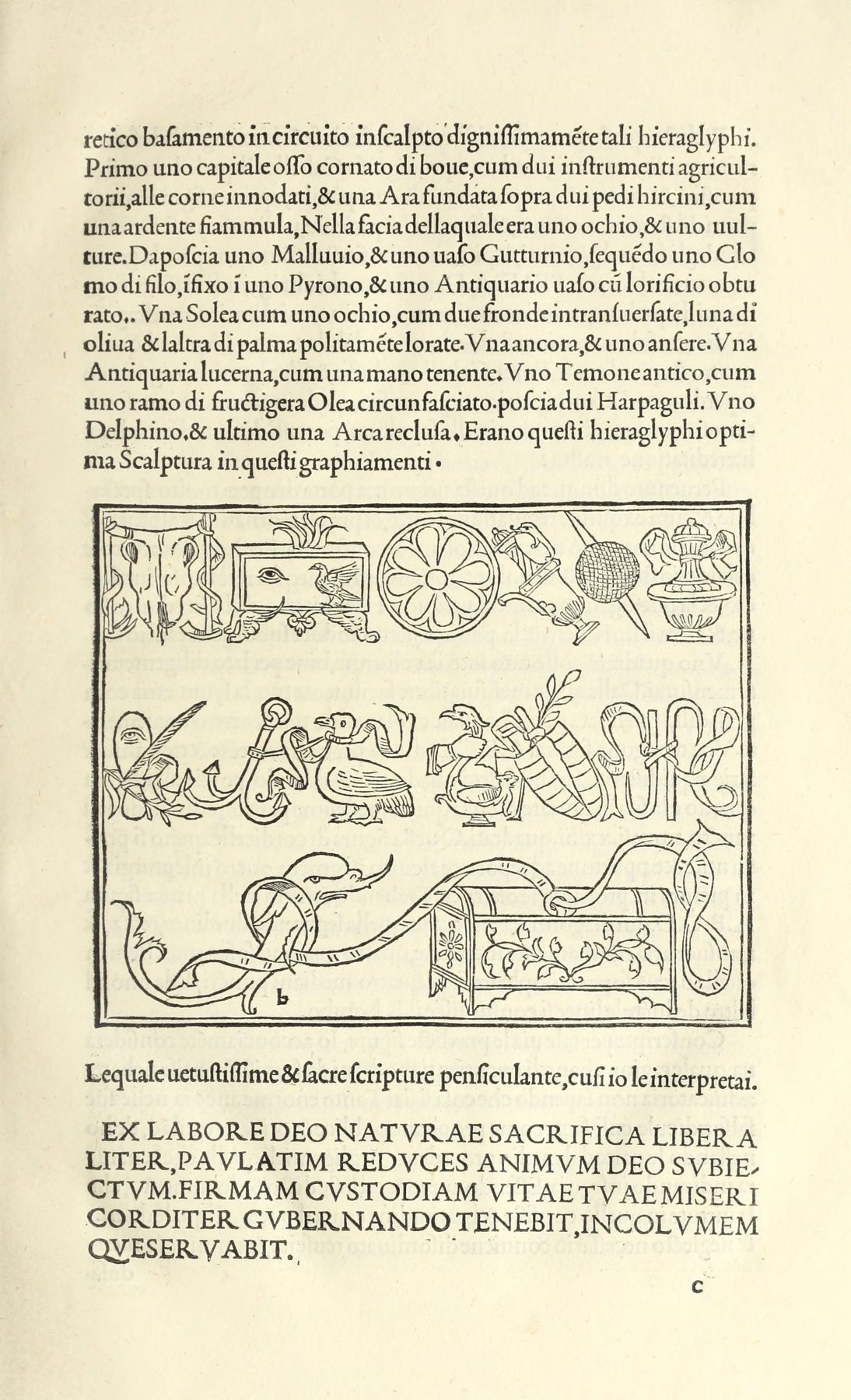 Emblem · found on the page
Hypnerotomachia Poliphili, Venice 1499
“This woodcut displays a sequence of 'hieroglyphs' designed by Francesco Colonna to be read as a moral sentence. It features the famous pairing of the dolphin and anchor, which symbolizes the motto 'Festina Lente' (make haste slowly), a core philosophical concept of the Italian Renaissance.”
- Kind
- Emblem, woodcut
- Found
- Where it sits on the page, recorded with the plate
- Searchable by
- Subject, symbol, figure and technique
Close enough to see the engraver’s line
Scans are served at the resolution they were made, over IIIF, so a plate opens in any viewer and a reader can go from the whole page to a single hatched stroke. Move over the page to look closer.
Maria Sibylla Merian, Metamorphosis Insectorum Surinamensium, Amsterdam 1705, hand-coloured plate.
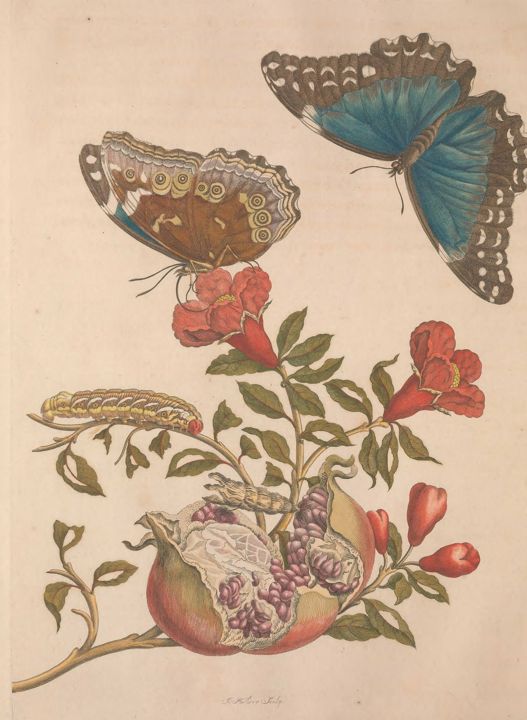 Metamorphosis Insectorum Surinamensium1705 · engraving
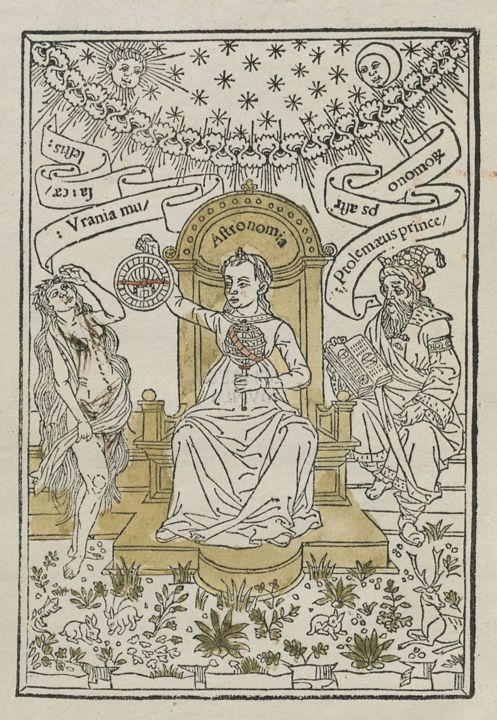 Sphere of the World1490 · frontispiece
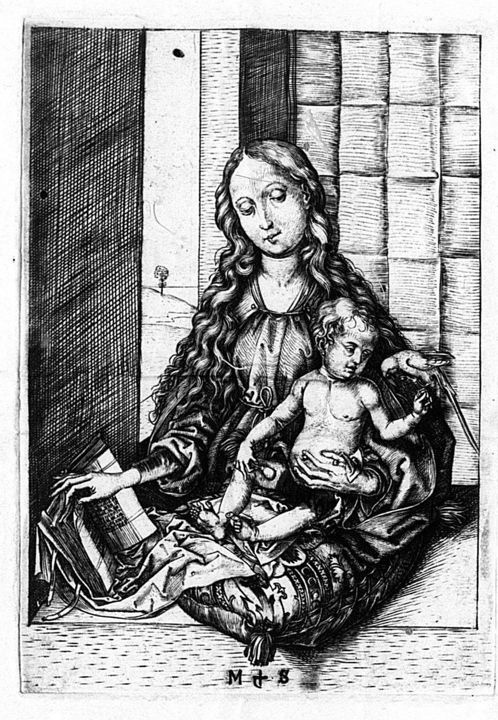 On the Praises of the Blessed Virgin Mary1473 · engraving
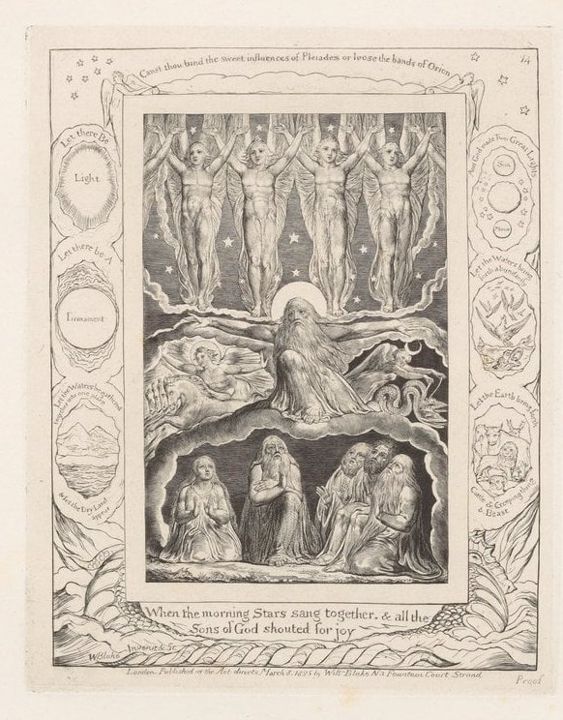 Illustrations of the book of Job1826 · engraving
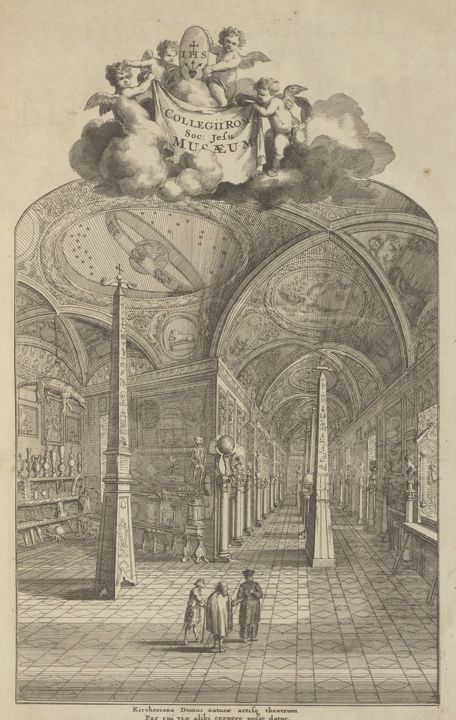 Physiologia Kircheriana Experimentalis1680 · frontispiece
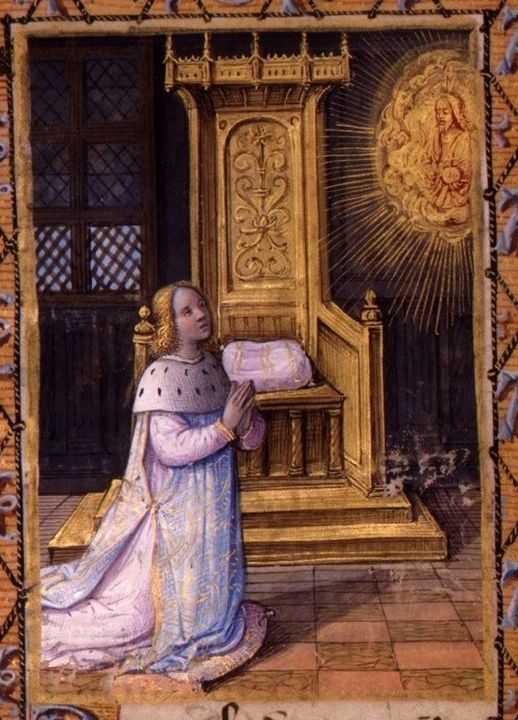 Prayer Book of Anne de Bretagne1492 · portrait
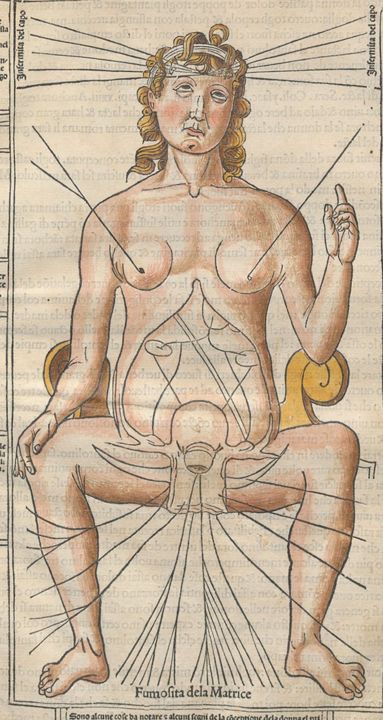 Fasciculus medicinae1494 · woodcut
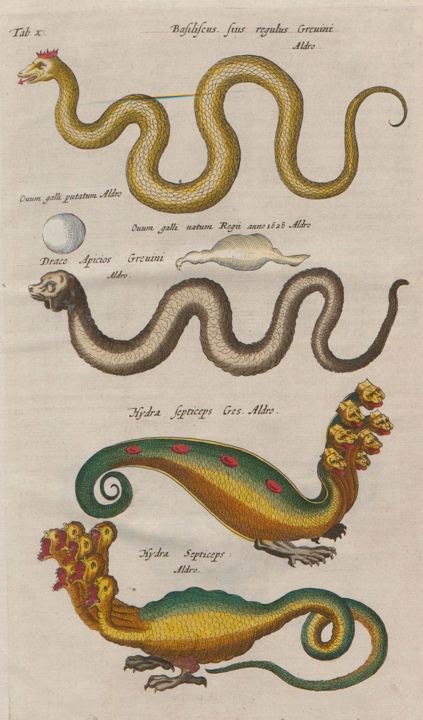 Naeukeurige beschryving van de natuur der vi…1660 · engraving
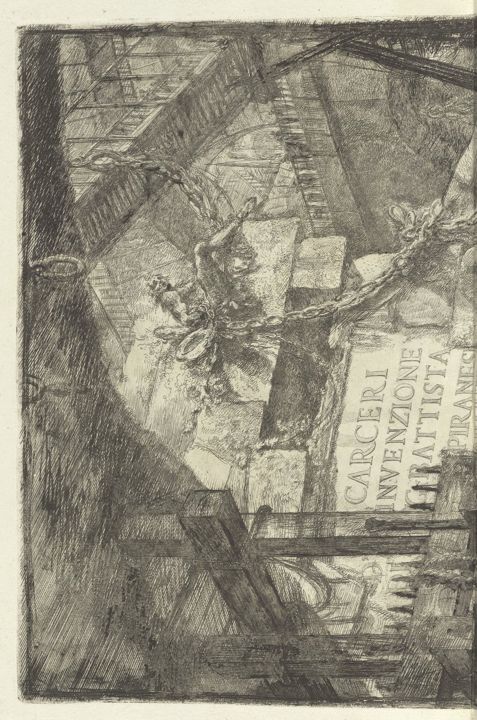 Carceri d'Invenzione1761 · frontispiece
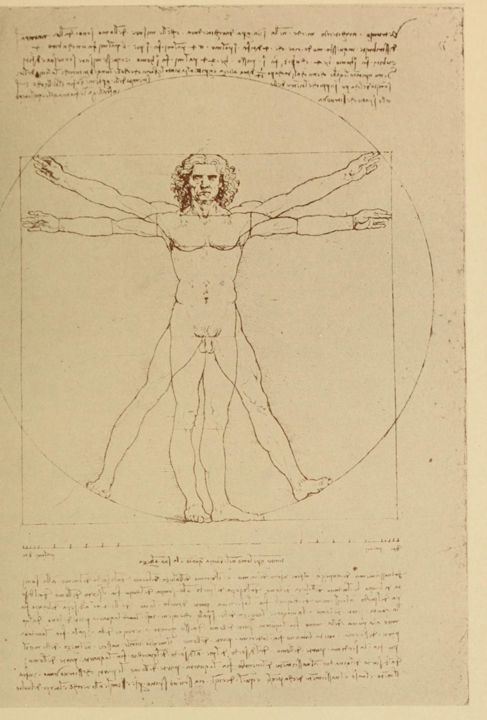 The Notebooks of Leonardo da Vinci1883 · diagram
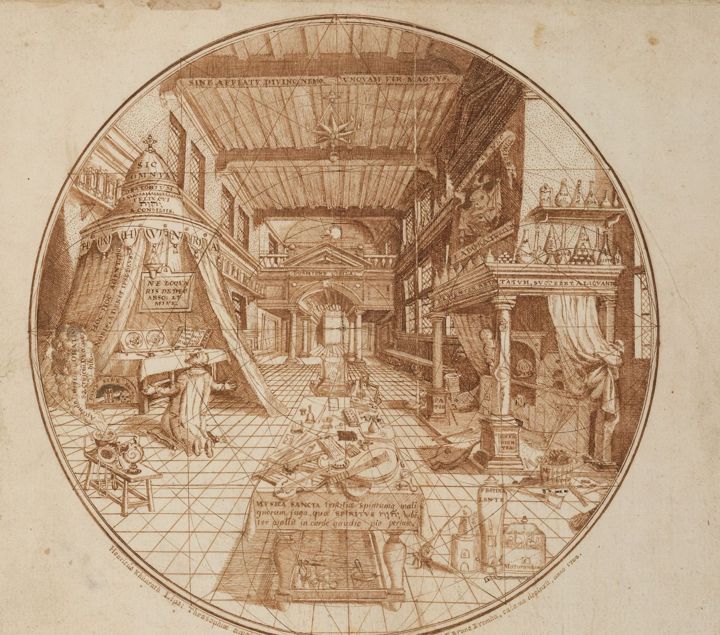 Amphitheatre of Eternal Wisdom, 1702 MS1702 · emblem
The reading room your books end up in
The reader that runs our live collections, twenty thousand volumes and counting, with every tool a reader reaches for on the rail beside the page.
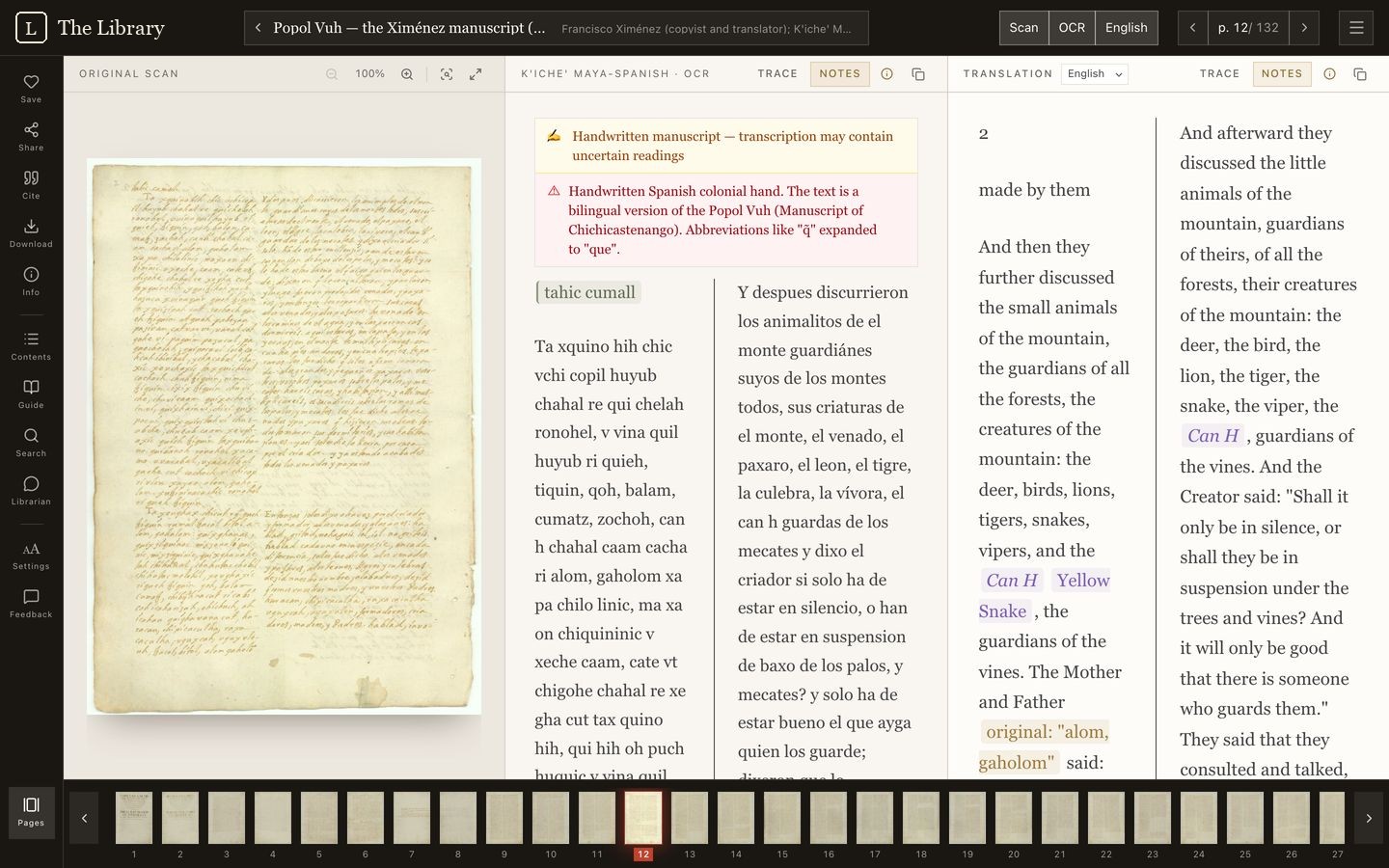
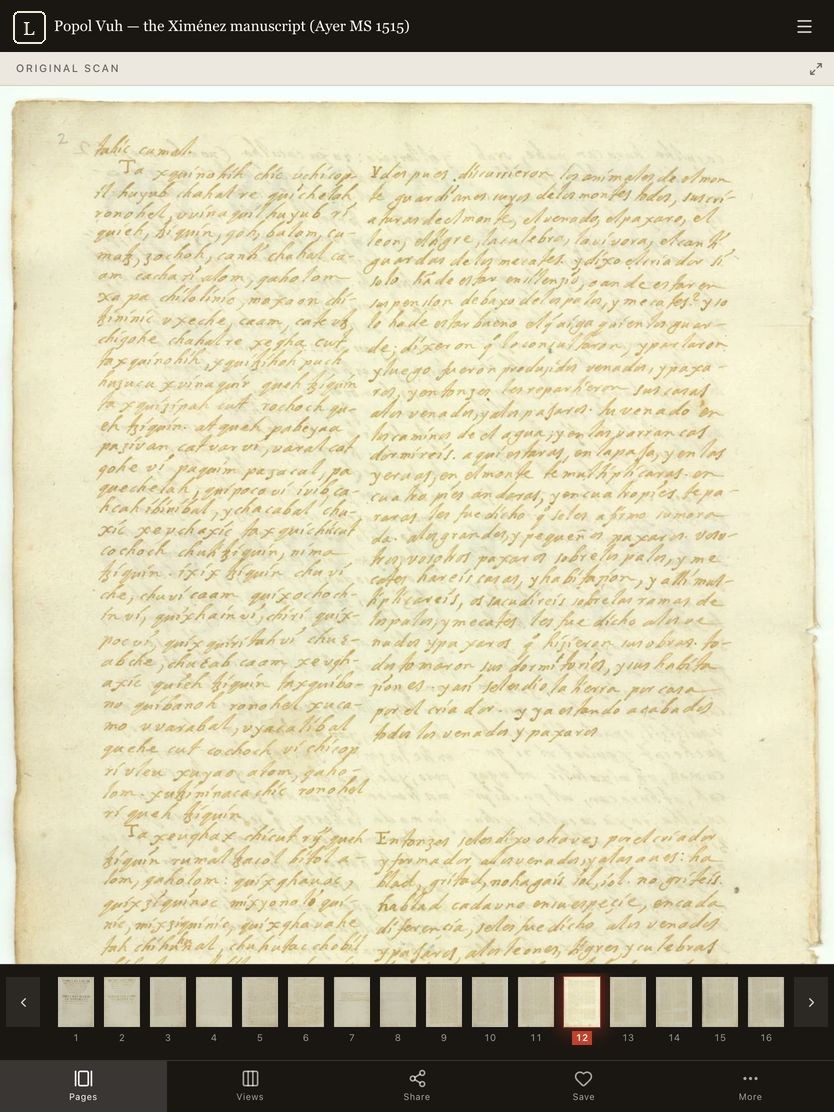
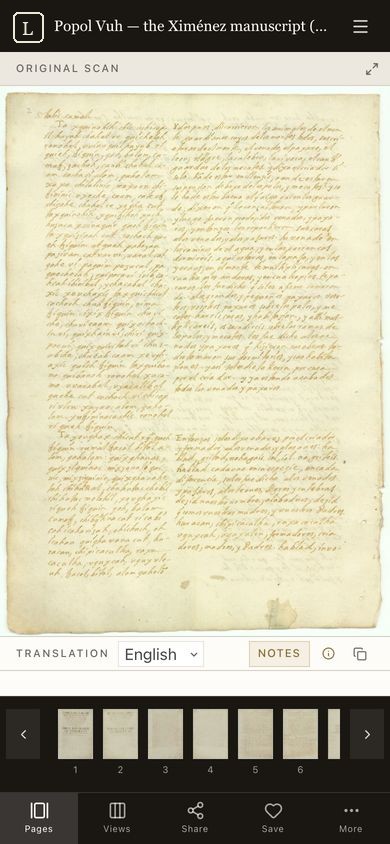
The reader as it runs today in a live collection, on the Ximénez manuscript of the Popol Vuh. Screenshots, not drawings.
Every tool where a reader expects it
- Savepages, passages and whole books to an account
- Sharea link that opens at this page, this pane, this line
- CiteMLA, APA, BibTeX or RIS, with the DOI and the page
- Downloadthe scan, the text or the translation as PDF, plain text or TEI
- Contentsthe book’s own chapters, detected and titled in both languages
- Guidea reading guide for the volume: what it is, why it matters, where to start
- Searchinside this book, across the collection, in the original or in translation
- Librarianask a question and get an answer that cites the page it came from
- Settingstype size, line length and a dark room for long sessions
Every page, citable for good
Every book has a persistent identifier, so a reference to a page and a line resolves for good. A translation is published as an edition with a version label and its own DOI, minted through Zenodo; a corrected edition gets a new one, and the old reference still resolves to what was cited. Every line of transcription and translation keeps its revision history, so a scholar can see what changed, when, and by whom.
- DOI per editionMinted through Zenodo, with the holding library and the imprint in the record
- Citation formatsMLA, APA, BibTeX and RIS from the rail, with page and line
- Revision historyEvery OCR and translation line, with each earlier state kept
- Open standardsIIIF for the images, OAI-PMH for the records, DTS for the texts, TEI for download
One book, published in your identity
The reader, the catalogue and every book page take on your institution’s design and language. Below is the same manuscript page as three different institutions would publish it.
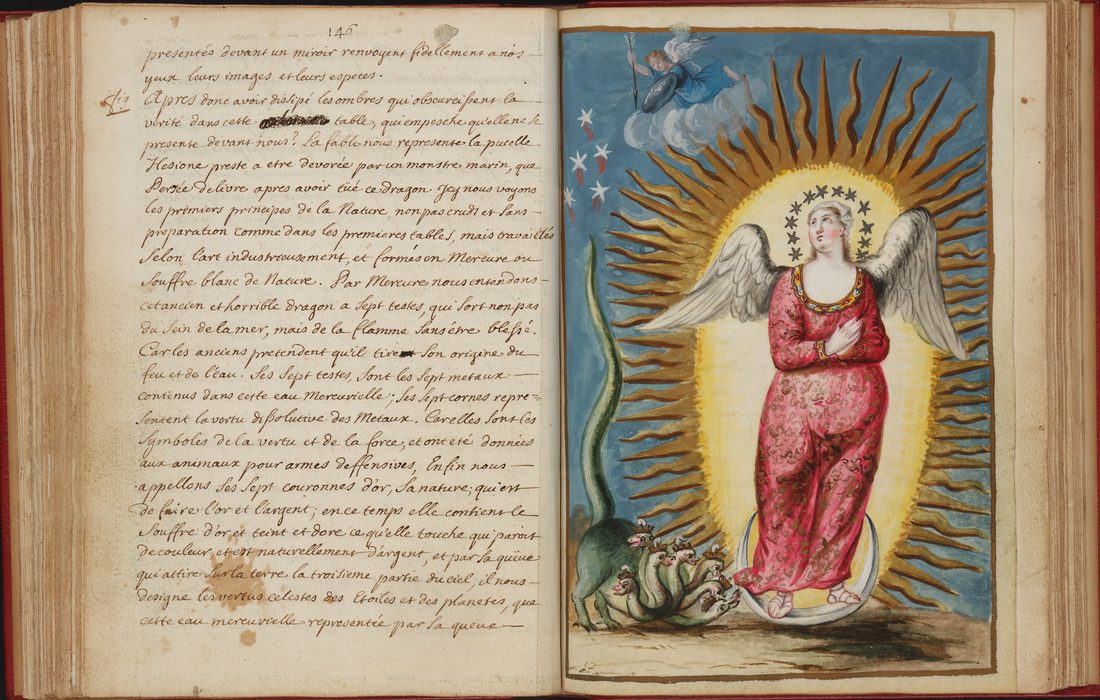
Livre des figures hiéroglyphiques
La fable nous represente la pucelle Hesione preste a etre devorée par un monstre marin, que Hercée delivre apres avoir tué ce dragon.
Fable represents to us the maiden Hesione ready to be devoured by a sea monster, whom Hercée delivers after having killed this dragon.
Send us a few books.
A box of scans, or a shelf we photograph. We publish that slice in full, so you can show your board what your own books look like open.