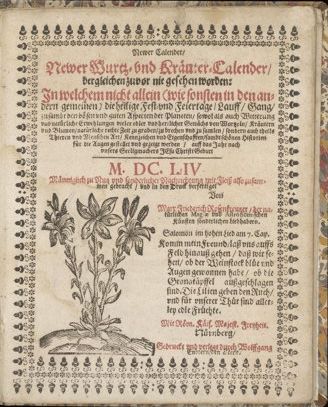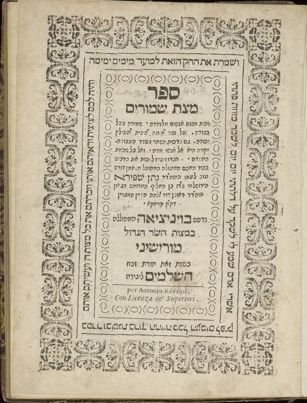
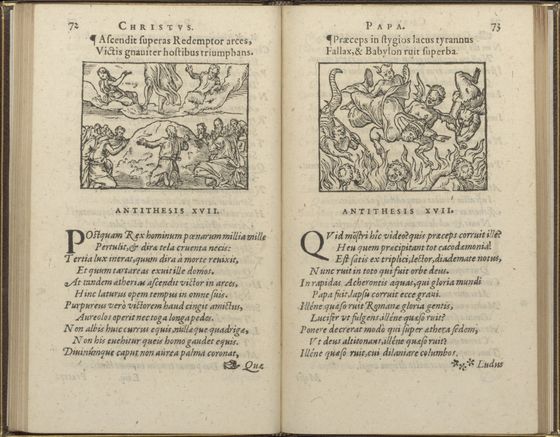
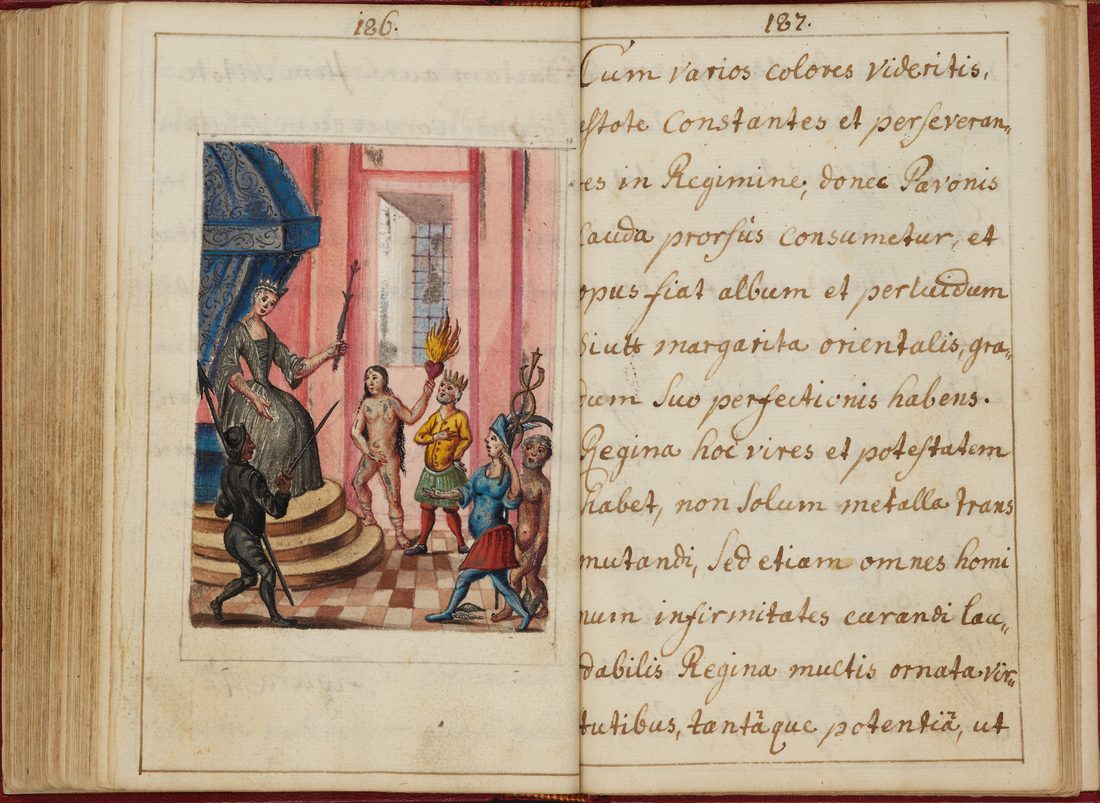
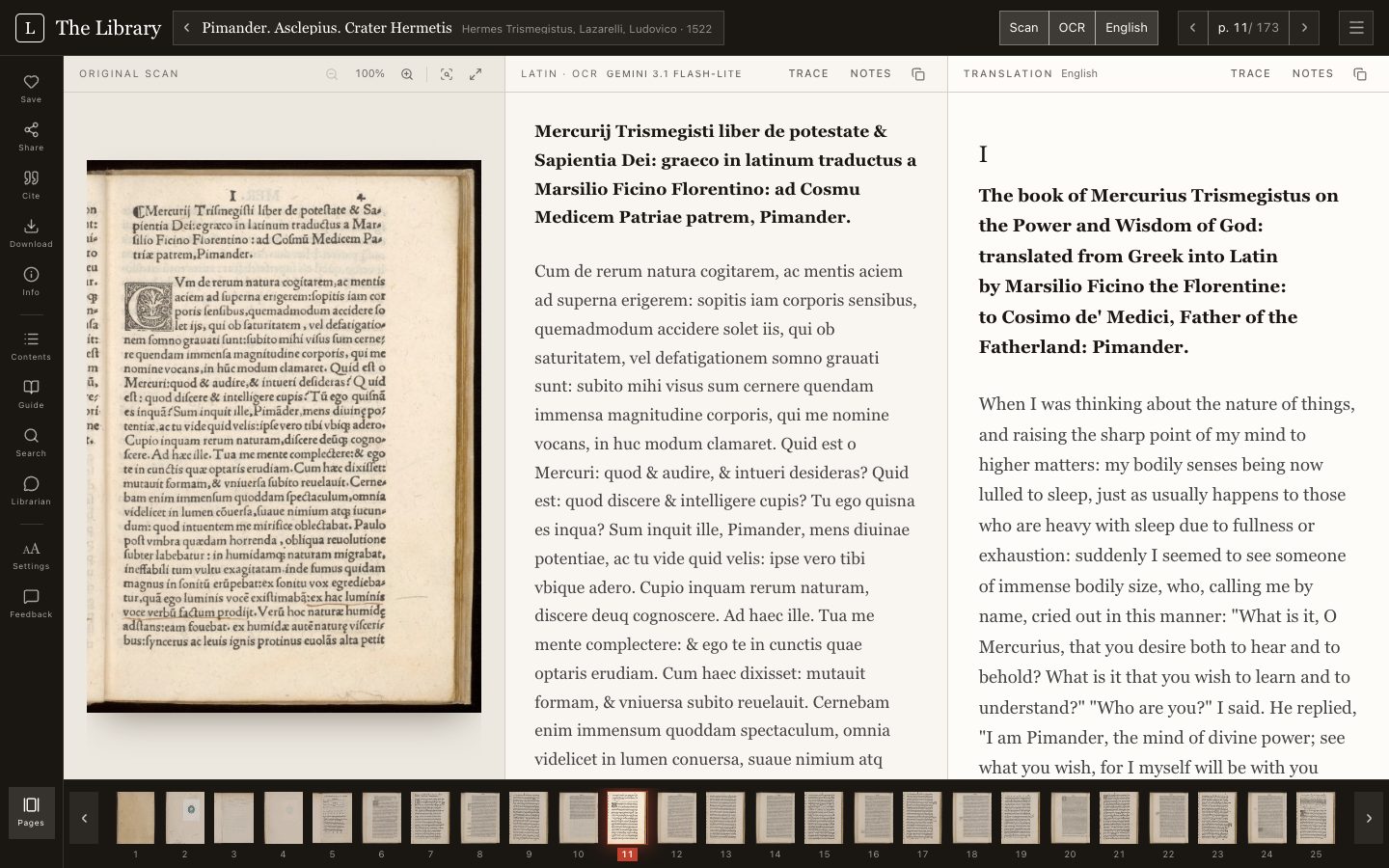
FOLIUM

From a folder of scans to a library people use

You bring the collection and the knowledge of it. We do the reading, the translating, the tagging and the building, and your staff decide what goes out under your name.

Start with a small sample

Every project begins with a slice of your own collection, ideally including the awkward ones: the damaged pages, the unusual hands, the languages nobody on staff reads. We publish that slice properly, and you decide what comes next with your own books in front of you.

  1. You send a sampleA handful of items and whatever export you have.
  2. We publish it properlyThe same treatment the whole collection would get.
  3. You see it liveOn a staging page, ready to show colleagues and a board.
  4. You plan the restAround your calendar, your staff time and your funding.

Three ways to put it online

Underneath, it is the same catalogue, reader and search. What changes is how much of your website we touch, from a few components on pages you already have to a whole new site built around the collection.

harbourmuseum.org/collection
The Harbour MuseumTickets

Search the library

Four centuries of books and manuscripts from the museum’s library, read and translated.

Folium
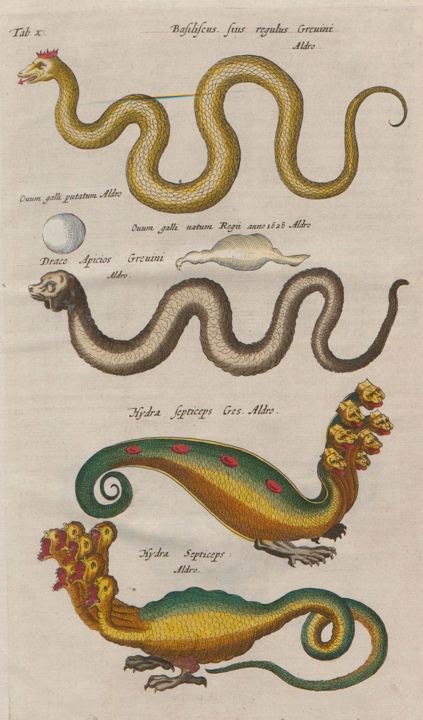
sea monstersSearch
All 312Books 204Plates 96Manuscripts 12LatinDutch
Naeukeurige beschryvingJan Jonston · 1660 · plate
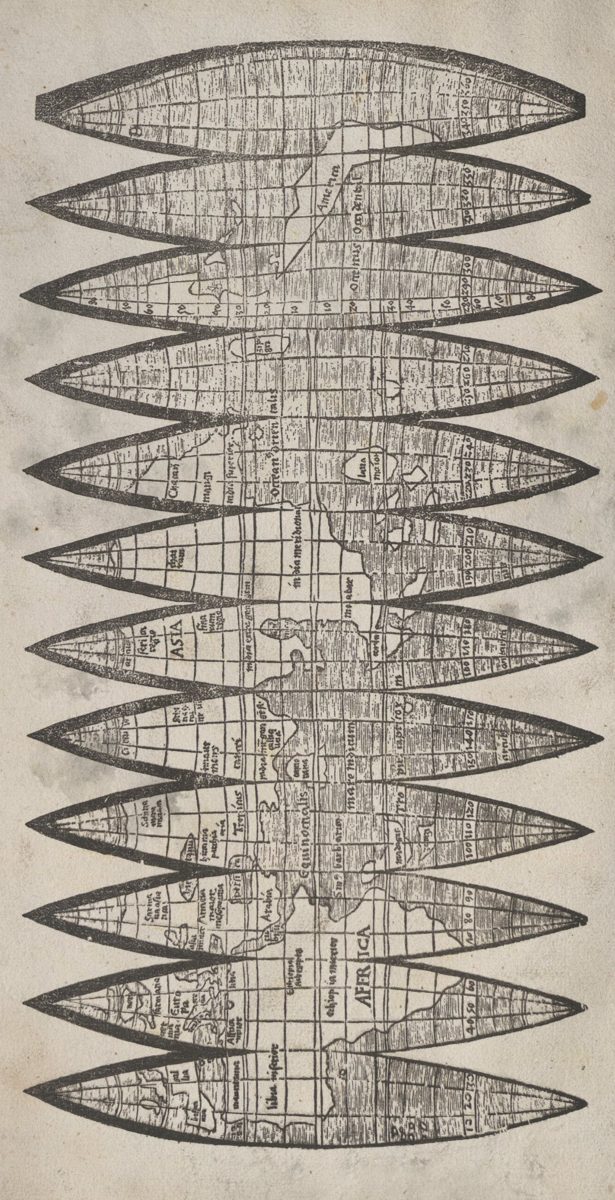
CosmographiaPtolemaeus · 1486 · map
Atlas maiorDe Wit · 1690 · chart
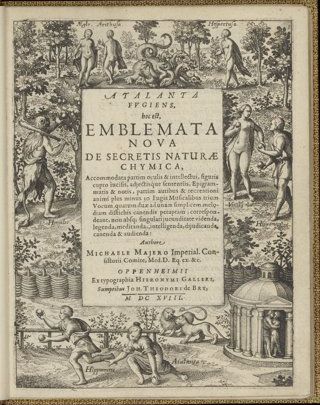
Atalanta fugiensMaier · 1618 · book

Library components in your site

Search, the catalogue and the reader as components that sit inside the pages you already publish. Your web team adds a tag, and your site stays in charge of everything around it.

How a museum does it
library.harbourmuseum.org
The Harbour Museum Libraryharbourmuseum.org ↗

Four centuries of the sea, in books

Every book in the museum’s library, read, translated and searchable to the page.

Search 312 books and 1,940 plates
De Wit, Atlas maior, 1690
Recently translated

A library site that matches yours

A full library at an address of yours, with its catalogue, reader, plates and librarian, built in the typefaces, colours and navigation of your current website, so readers move between the two without noticing the join.

harbourmuseum.org
HARBOUR
MUSEUM
Open today 10–17
Now showing

Monsters of the Deep

Sea serpents, basilisks and hydras from four centuries of natural history, every book open to read.

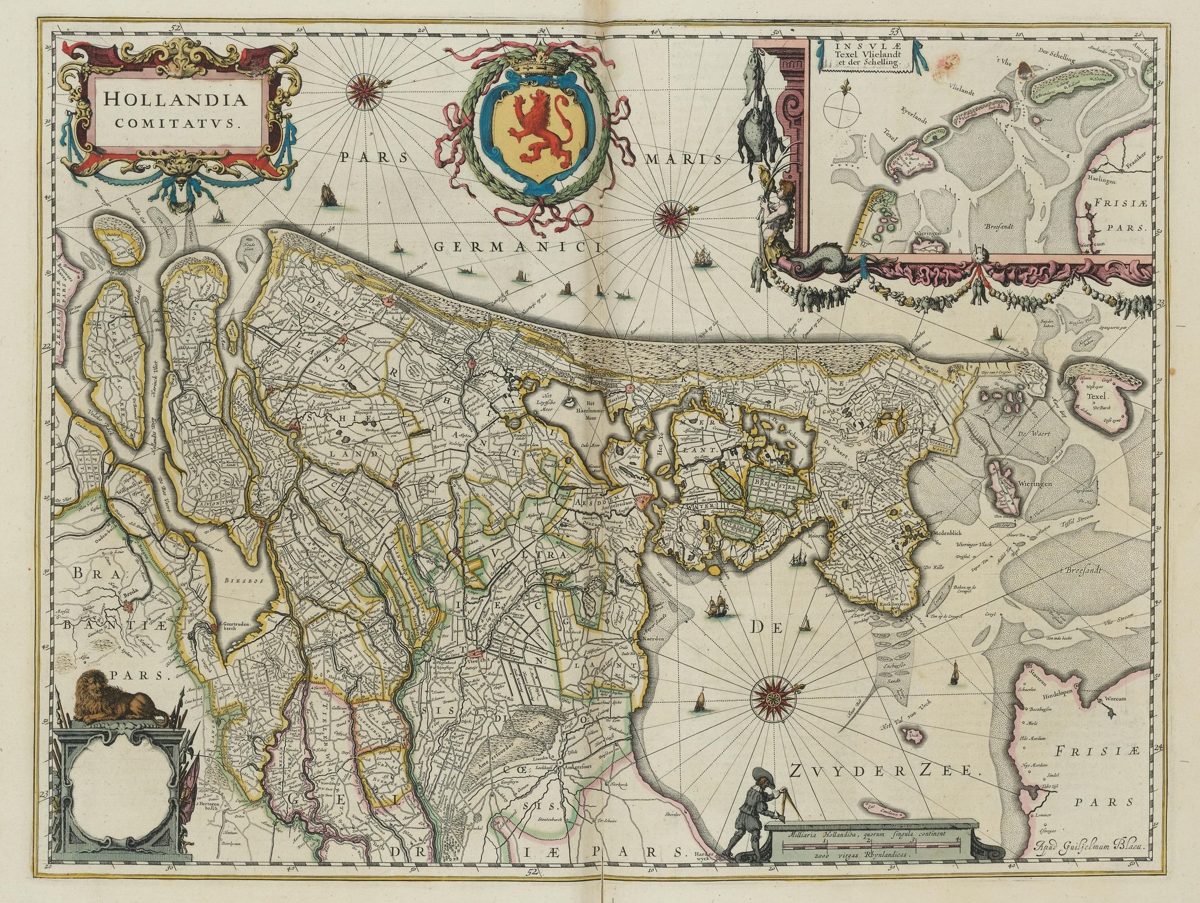
From the libraryThe coast of Holland, 1635
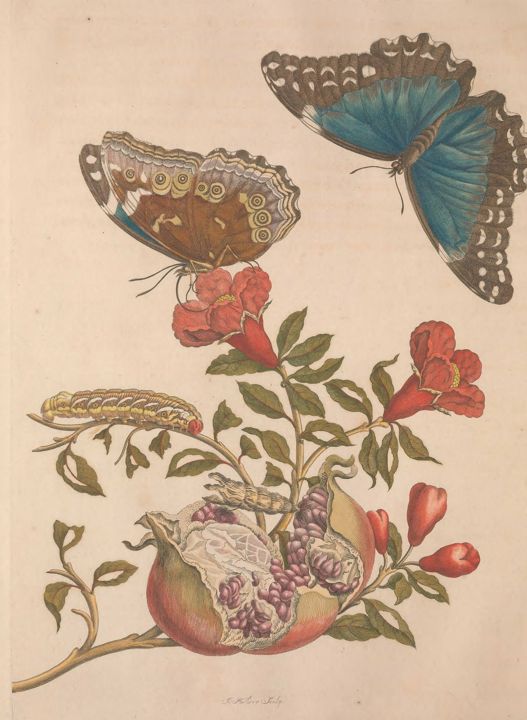
Ask the libraryWho drew the pomegranate moth?
Plan your visitTickets, opening hours and the reading room

A new website, library built in

We design or redesign your whole website with the collection at its heart: the front door, the visit and the exhibitions, with the library part of every page from the start.

Your staff check everything before it goes out

Transcription, translation and tagging are drafted by machine and checked by the people who know the material. Nothing is published until your staff have seen it, and every change is kept.

We take care of

  • Ordering the files and finding what is missing
  • Reading, translating and tagging every page
  • The reader, search, images and hosting
  • Training your team, and staying reachable

Your staff decide

  • What is published, and what is restricted
  • Whether a reading or a tag is right
  • The words that frame the collection
  • When it goes live
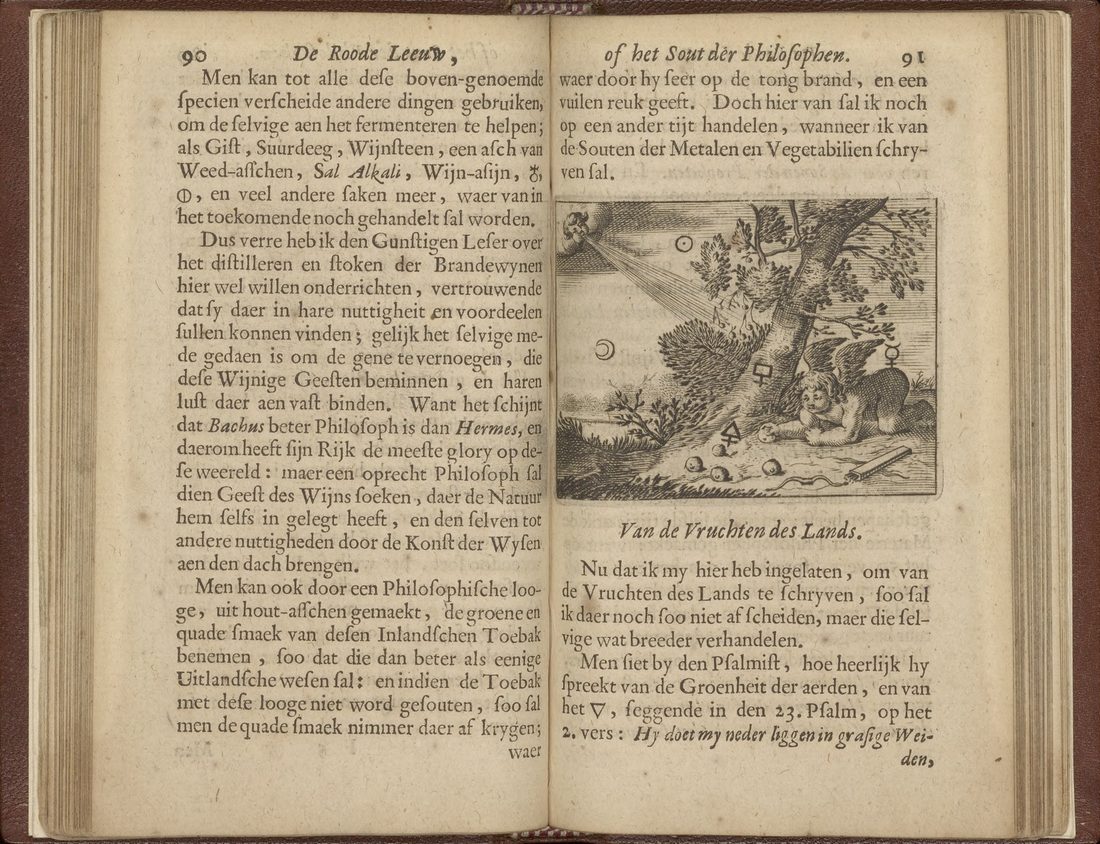
De Roode Leeuw, of het Sout der Philosophen, 1672: Dutch text above an allegorical engraving
  1. Drafted

    …when I shall write of the Salts of Metals and Vegetables.

    Machine draft · one word that could mislead
  2. Checked

    …Salts of Metals and Vegetables. In 17th-century alchemy, “vegetables” referred to the entire plant kingdom.

    Note added for the reader
  3. Published

    The line goes out with its note, and the earlier version stays in the history.

    Revision 2 · approved

What we need from you

The image files

TIFFs, JPEGs, PDFs, mixed resolutions, folders that grew over the years. Putting them in order is part of our work.

ShelfmarkTitleYear
PH 400Livre des figures…18th c.
PH 205Elementa Chemiae1720
BPH 131Book of Hoursc. 1490
PH 237Gott ist die reinste…1826

A catalogue export

MARC, Dublin Core, a spreadsheet, or whatever your system produces. Your records stay recognisable to the people who wrote them.

?Which copy should be the one readers see first?

One person to ask

A colleague who knows the collection and can answer questions about naming, languages and priorities, usually for a few hours a week.

Your collection stays yours

Scans, records, transcriptions, translations and tags belong to your institution. Everything is published in open standards and can be exported at any point, so the collection outlives any supplier, including us.

Start with a few of your own books

Send a handful of scans and whatever catalogue you have. We publish them properly, so you can see your own collection working before you decide anything.